
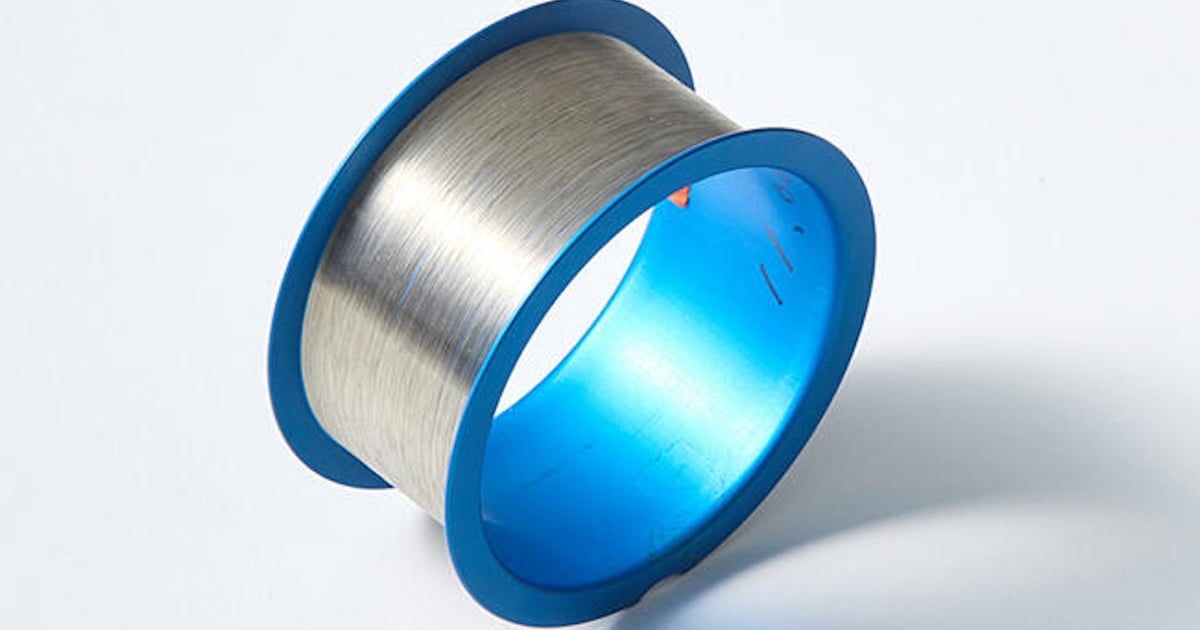
Thanks to their biocompatibility and stability, precious metals such as platinum, gold, and silver are widely used in medical devices, shares Kunihiro Shima, senior general manager global marketing/R&D supervisory department at Tanaka Precious Metal Technologies Co. Ltd. “These materials are commonly found in minimally invasive devices and implantable components across applications including cardiovascular and neurovascular procedures,” he tells Design News.
To help medical device design engineers select and use these materials for their projects, we asked Shima a few questions about metals processing, custom alloys, supply chain and tariffs issues, the potential for recycling, and what the future holds.
Shima joined Tanaka Precious Metal Technologies Co., Ltd. in 1995 and has built nearly three decades of experience in precious metal technology, materials science, and advanced manufacturing. His expertise spans a wide range of industries, including medical devices, automobiles, semiconductors, consumer electronics, and clean energy technologies. His work has involved the development of products and components such as wires for medical and sensors, probe pins, electrodes for medical and automotive, and other precise functional metal parts.

Kunihiro Shima, senior general manager global marketing/R&D supervisory department at Tanaka Precious Metal Technologies Co. Ltd.
How are precious metals used in today’s medical devices?
Shima: Typical uses include platinum-based wires in guidewires, embolic coils, and stents, as well as platinum-iridium components in catheter-based systems. Their ability to be clearly visualized under X-ray is particularly important for device positioning during procedures.
In addition, silver is used as a high-conductivity material in applications such as current leads, where reliable electrical signal transmission is required in systems including electrophysiology (EP) catheters, neurostimulation devices, and so on. Together, these material properties make precious metals well suited for devices that must operate reliably within the human body over extended periods.
How does Tanaka help medical device design engineers with components made from precious metals?
Shima: Tanaka supports medical device engineers by providing advanced precious metal materials and processing capabilities tailored to specific application requirements. Rather than designing devices, the company works with manufacturers to align material properties and forms with intended device performance.
Its capabilities span procurement, alloy development, processing, and recycling, enabling consistent control over key parameters such as composition, purity, and dimensional precision. This level of control is critical for materials used in medical environments.
For example, the Visi Fine series offers highly radiopaque platinum alloy materials suitable for applications such as guidewire coils, catheter markers, and stent structures. These materials are produced using proprietary processing technologies that enable precise geometries and consistent quality.

A precision-machined part. TANAKA
What are some current engineering challenges these engineers face today and how can Tanaka help?
Shima: One of the primary challenges in medical device design is identifying materials that can meet multiple functional requirements simultaneously for minimally invasive therapy, particularly radiopacity, biocompatibility, and long-term stability. The number of materials that provide strong visibility under X-ray while maintaining performance in the body is limited.
In addition, exposure to biological environments introduces risks such as corrosion, which can affect device performance over time. As devices become more complex and precise, maintaining consistent material behavior becomes increasingly important.
Precious metals address many of these requirements through their inherent properties. Platinum-based materials, for example, provide strong X-ray visibility along with resistance to oxidation and corrosion. Through material development and processing expertise, Tanaka helps engineers apply these materials in forms that meet specific device needs.
![Tanaka_Marker_Bands_Electrode_Rings[91].jpg.jpeg](https://eu-images.contentstack.com/v3/assets/blt0bbd1b20253587c0/bltf983c396b81ba8a0/6a10d5f416553f183f55cf24/Tanaka_Marker_Bands_Electrode_Rings[91].jpg.jpeg?width=1280&auto=webp&quality=80&disable=upscale "Tanaka_Marker_Bands_Electrode_Rings[91].jpg.jpeg")
Marker bands for electrodes. TANAKA
How can Tanaka customize alloy composition and shape? Why is this a benefit?
Shima: Tanaka combines alloy design with advanced processing technologies to tailor both the composition and form of precious metal materials. Techniques such as controlled melting, fine wire processing, and laser-based fabrication enable precise adjustment of material characteristics and geometry.
This allows materials to be supplied in forms such as ultra-fine wires, rings, sheets, and coils, with properties aligned to specific application requirements, including mechanical behavior and functional performance.
Such customization is important because medical devices often require materials that perform reliably within very small and complex structures. By aligning material characteristics with design requirements, engineers can achieve the necessary balance between performance and consistency.
What are some current supply chain challenges and how can TANAKA help?
Shima: While precious metal prices can fluctuate, supply for medical applications continues to be supported by established industrial demand. Materials required for medical devices are supplied through existing frameworks without major disruption.
For manufacturers, consistent quality, traceability, and documentation are key requirements when selecting materials. These factors are essential for supporting regulatory processes and ensuring reliable device performance.
Tanaka addresses these needs by managing the full material lifecycle, from procurement through processing and recycling. This integrated approach supports stable supply while maintaining control over quality and material consistency.
![TANAKA_s_Rhodium_Sheet_for_Mammography_Filter[81].jpg.jpeg](https://eu-images.contentstack.com/v3/assets/blt0bbd1b20253587c0/blt14125abd46fa26b9/6a10d67116553fe7e855cf28/TANAKA_s_Rhodium_Sheet_for_Mammography_Filter[81].jpg.jpeg?width=1280&auto=webp&quality=80&disable=upscale "TANAKA_s_Rhodium_Sheet_for_Mammography_Filter[81].jpg.jpeg")
Rhodium sheet for mammography filters. TANAKA
Can Tanaka help manage tariff concerns for US-based medical device engineers?
Shima: Tanaka continues to monitor tariff and trade developments to ensure accurate understanding of current conditions. Based on available information, platinum-based materials—which are widely used in medical applications—are not currently subject to tariffs.
For other materials such as gold and silver, conditions are under review to ensure that any guidance provided reflects the latest information.
More broadly, Tanaka supports customers by maintaining stable supply and consistent material quality across its operations, helping manufacturers continue development and production activities under evolving trade conditions.
How does Tanaka recycle precious metals and how would this benefit medtech engineers?
Shima: Tanaka supports the recycling of precious metals by recovering materials from end-of-use products and refining them into high-purity raw materials suitable for reuse. This process differs from reprocessing single-use medical devices, which remains limited in medical applications.
Through collaboration with partners, recovered materials are reintegrated into the supply chain while maintaining the performance characteristics required for medical use.
These activities are supported by quality management systems aligned with ISO 13485, ensuring consistency, traceability, and documentation. For medical device manufacturers, this approach contributes to more effective use of material resources while maintaining required quality standards.
Is there any concern about traceability or performance with recycled precious metals?
Shima: Recycled precious metals are refined to high-purity metal—typically exceeding 99.95%—through established refining processes. This returns them to a state equivalent to primary–grade materials, ensuring that quality and performance are maintained to the same standards required for medical applications.
Traceability and performance remain essential considerations, and manufacturers require clear documentation of material origin, composition, and processing history to support regulatory compliance. These processes are managed under quality frameworks aligned with ISO 13485, supporting consistent control and documentation for medical-grade materials.
By maintaining control across procurement, processing, and recycling, TANAKA ensures consistent material quality and traceability, supporting the use of recycled precious metals without compromising performance.
What does Tanaka predict for the future of precious metals in medical devices? What advice does Tanaka have for medical device design engineers?
Shima: Medical devices are expected to continue evolving toward minimally invasive approaches and long-term use within the body. These trends increase the importance of materials that can provide stable performance, compatibility with biological environments, and clear visibility during procedures.
Precious metals are well suited to these requirements and are expected to remain important in future device development. Advances in alloy design and processing technologies will further expand their applicability.
For design engineers, selecting materials based on functional requirements and working closely with material suppliers can support more effective device development, particularly as device structures become smaller and more complex.