
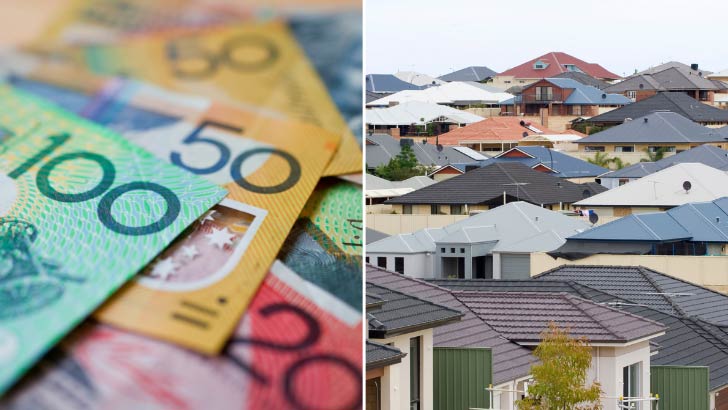
The Reserve Bank of Australia (RBA) has lifted the cash rate by 25 basis points to 4.10% at its March meeting, dealing a fresh blow to borrowers and signalling it is not yet convinced inflation is under control.
The increase comes just one month after the central bank raised rates to 3.85% in February, and follows a sharp escalation in global tensions that has rattled energy markets and revived concerns about rising prices.
For households, the decision is likely to mean higher mortgage repayments and renewed pressure on already stretched budgets. The upside for savers is that term deposit and savings account rates may also rise.
How did we get here?
A lot has changed since the RBA’s February decision.
When it lifted the cash rate to 3.85%, the bank pointed to three main reasons: the economy was growing a little faster than expected, the labour market was expected to remain healthy, and inflation was still forecast to peak at 4.2% in June before only gradually returning to target by June 2027.
At first, the data did little to challenge that view.
On February 19, Australian Bureau of Statistics figures showed unemployment held steady at 4.1%, while employment rose by 18,000 people. Then, on February 25, inflation for the 12 months to January came in at 3.8%, unchanged from December and broadly in line with expectations.
At that point, markets were calm. As recently as March 2, traders were effectively pricing in no chance of a March rate rise.
That changed abruptly in the early hours of March 3, when the US and Israel entered war with Iran, triggering a major supply shock in global oil markets.
Iran’s move to block the Strait of Hormuz – a critical shipping route for roughly 20 million barrels of oil a day – sent crude prices surging.
Oil prices then swung wildly, climbing to almost US$120 a barrel, dropping back to US$80, then rising again above US$90.
Petrol prices jumped in Australia, prompting the ACCC to warn service stations against price gouging.
The shift in sentiment was swift. Within two weeks, market pricing implied a 71% chance of a March rate rise.
Economists at Commonwealth Bank, NAB, ANZ and Westpac began forecasting not one but two quarter-point hikes in March and May, which would take the cash rate to 4.35%.
RBA deputy governor Andrew Hauser also signalled growing concern before the meeting. Speaking on the Politics with Michelle Grattan podcast, he said the bank’s February inflation forecast of 4.2% for June was now likely to be exceeded.
“It’s still in flux […] I don’t want to give a number that might give a false sense of accuracy. But certainly directionally it’s higher than the projection we published in February,” Hauser said.
“It’s worth us continuously reminding ourselves just how toxic inflation is. We’ve only just had an experience of that and we don’t want to go through that period again.”
Cash rate hike: the case for and against
Not all economists believed the RBA needed to move immediately.
Anthony Malouf, market analyst at Ebury, said Australia’s position as a net energy exporter could offer some protection, even if higher fuel costs still create short-term pain for households.
“The Australian dollar remains underpinned by Australia’s status as a net energy exporter,” Malouf said. “Prolonged global energy shocks historically lift export prices, providing a significant boost to our terms of trade.”
Malouf’s broader point was that the RBA may have been better off waiting for more data, particularly with signs that consumers and businesses were already losing momentum.
CBA spending data showed household spending fell 0.5% month-on-month in February, while consumer sentiment remained weak and NAB’s business survey showed confidence slipping back into negative territory.
Others saw a stronger case for immediate action.
MLC senior economist Bob Cunneen said the spike in petrol prices could quickly spread through the economy and push inflation materially higher in coming months.
“The sharp surge in petrol prices in the aftermath of the Middle East war is the immediate catalyst for an interest rate rise,” Cunneen said.
He estimated the jump in fuel prices alone could add about one percentage point to inflation, with higher transport, fertiliser and food costs likely to add to the pressure over time.
Tougher times for homeowners
Ultimately, the RBA raised the cash rate, matching hawkish economists’ expectations.
Lenders had already priced in the move: 12-month term deposit rates pushed above 5% p.a, with Bank Australia, Qudos Bank and Community First Bank at or above that level and more likely to follow.
Conversely, for mortgage holders, the latest move adds to repayment pressure as households cut back.
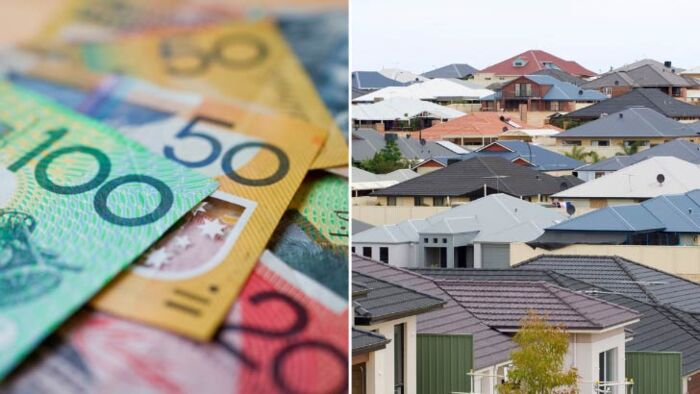
If the RBA hikes again in May as expected, the 75 basis points of increases since the start of the year would add about $239 a month to repayments on a $500,000 home loan, or $478 a month on a $1 million loan.
Three steps for homeowners to reduce mortgage stress
Peter White, outgoing managing director of the Finance Brokers Association of Australia (FBAA), says homeowners should take three simple steps to make sure they are not paying more than they need to.
-
Benchmark your rate
Speak to a mortgage broker to compare your current loan with what is available across the market.
“There’s no charge for this, and a broker has access to lender options not available to the public direct, including non-bank lenders,” White says.
-
Ask your lender to match it
If there is a better rate available elsewhere, call your lender and ask for a reduction on your existing loan.
“Be warned: they won’t call you; you have to make the approach.”
-
Refinance if they won’t move
If your lender will not budge, consider switching to a lender offering a lower rate that still suits your needs.
“Unlike banks, who act in the best interests of their shareholders, mortgage brokers are legally obligated to act in the customer’s best interests,” White says.
Get stories like this in our newsletters.