
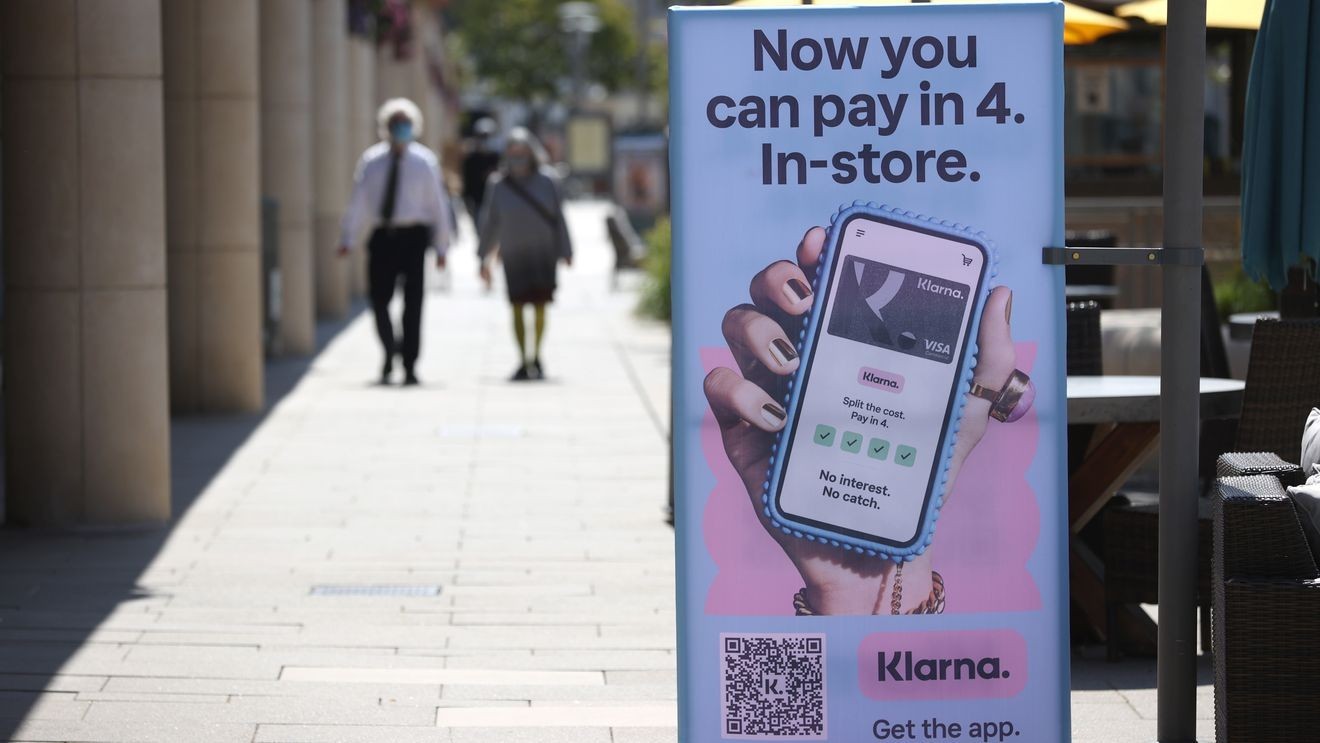
(TNND) — Around half of Americans have used “buy now, pay later” installment plans for online purchases, including 10% who use them frequently, according to a new Gallup survey.
Within that, 17% of Americans reported using buy now, pay later, or BNPL, occasionally for online purchases, and 24% reported using the services rarely.
Lower-income Americans were more likely to frequently or occasionally use BNPL with online purchases.
Those who said they don’t have enough money to live comfortably were nearly three times as likely to say they used installment plans for online purchases.
And Americans who were more worried about making minimum credit card payments had higher use of BNPL services.
But a Bankrate survey last year found that nearly half of BNPL users experienced problems, including overspending, missing payments or regretting their purchases.
Bankrate Principal Analyst Ted Rossman said BNPL is marketed as a “kinder, gentler” alternative to credit cards, but the payment method isn’t without its risks.
“Buy now, pay later done right can be a cash-flow management tool,” Rossman said. “Done wrong, it can be an excuse to overspend and a ticket into more debt than you realized.”
The popularity of BNPL has increased in recent years, becoming mainstream enough that major credit card issuers like Chase, Citi and American Express are now offering installment-payment features.
Affirm, Afterpay and Klarna are the big players in the dedicated BNPL space.
BNPL options are often integrated at the point of sale on an e-commerce site, but the companies now offer physical cards that can also be used in brick-and-mortar stores.
A traditional BNPL offering is four interest-free payments that must be made over six weeks, but the industry has expanded into larger purchases with repayment terms stretching from several months to two years.
Longer-term BNPL plans frequently charge interest rates comparable to credit cards, Rossman said.
Rossman warned consumers to read the fine print carefully before committing to one of the longer-term, interest-bearing BNPL deals.
Rossman said BNPL works best for occasional, necessary big-ticket items rather than routine spending on gas, groceries or food delivery.
He warned against impulse-buying and said that splitting purchases into smaller payments can make expensive items feel more affordable than they really are.
BNPL is often on a biweekly payment cycle, so keeping up and keeping track can get tricky if used often, Rossman said.
BNPL can become a crutch for people who are desperate for something when they don’t have the money in hand, Rossman said.
“Credit cards can be the same way,” he said. “And sometimes buy now, pay later is the least-dirty shirt in the laundry in that respect. I would say the best use case for buy now, pay later is if you’re getting a low- or no-interest deal on something that you need, and you just want to spread out your cash flow.”
But most of the time, the better option, if possible, would be to use a credit card and pay it off right away, Rossman said. That will offer the best rewards and buyer protections, he said.