
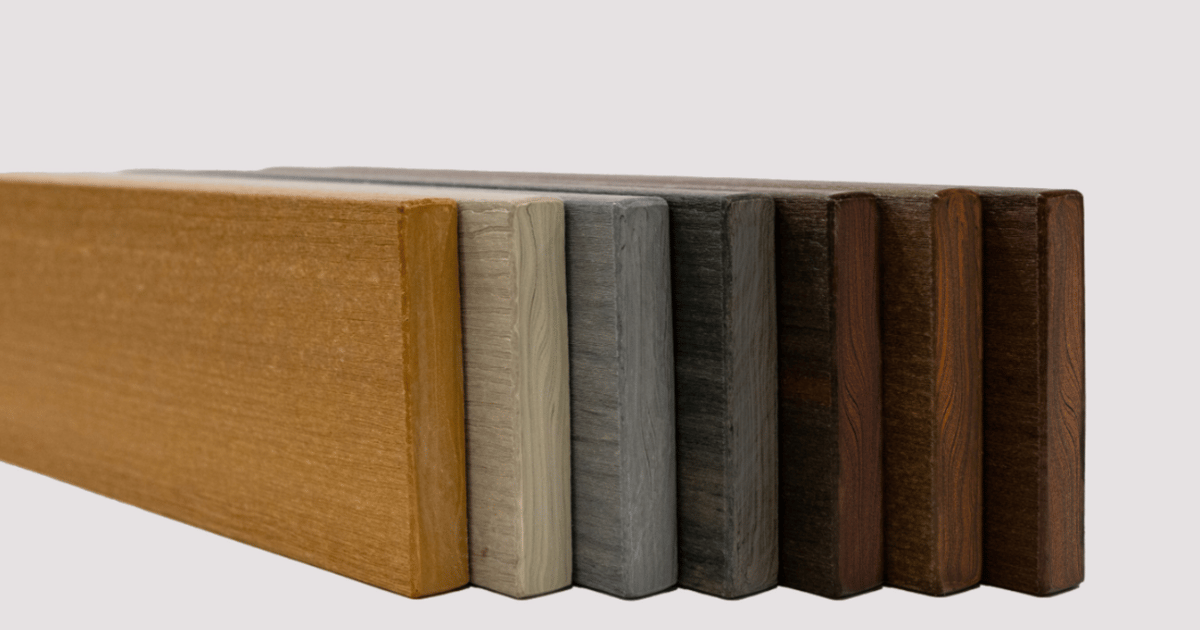
A leading manufacturer of high-performance synthetic materials made from recycled HDPE is set to expand its market reach under new ownership, as demand for sustainable alternatives to traditional building materials continues to grow across outdoor living, marine, and infrastructure sectors.
Platinum Equity has entered into a definitive agreement to acquire Tangent Technologies. Financial terms of the transaction were not disclosed. According to the companies, the transaction is expected to close in the third quarter of 2026, subject to customary closing conditions.
Headquartered in Aurora, IL, Tangent is a manufacturer of high-performance synthetic materials utilized across a wide range of outdoor living, marine, decking, fencing, infrastructure, and other industrial markets. In recent years, these premium HDPE materials have become a leading substitute for traditional building materials given their durability, low maintenance, and aesthetics. Tangent manufactures its products using a combination of post-consumer and post-industrial recycled feedstock.
The company operates a diversified portfolio of product categories, including lumber, sheet, and structural solutions used in decking, docks, fencing, and infrastructure applications. Tangent’s vertically integrated manufacturing platform, which includes significant recycling capabilities, enables cost efficiency and supports sustainability initiatives.
Market opportunity and growth strategy
“We like the market opportunity as synthetic materials are widely recognized as a growing, versatile and effective solution for a broad range of applications,” said Jacob Kotzubei, co-president of Platinum Equity. “Tangent has built a strong platform with impressive capabilities, and we believe there are meaningful opportunities to expand its core offerings while continuing to innovate.”
Tangent’s R&D capabilities have helped the company establish a valuable intellectual property portfolio and a reputation for innovation, as it continuously advances the material science behind durable, weather-resistant, and environmentally conscious products. The company is the exclusive manufacturer of a patented woodgrain product line that combines the performance of its high-performance synthetic materials with the beauty of natural wood.
“We believe Tangent’s premium products enable meaningful differentiation versus competitors,” added Nathan Eldridge, managing director at Platinum Equity. “We see opportunities to bring our M&A and operational capabilities to bear to support the company’s next phase of growth, including pursuing strategic add-on acquisitions.”
Tangent CEO Kevin Potthoff lauded the deal.
“We look forward to partnering with Platinum Equity and expect their experience and operational capabilities will help support our long-term growth objectives,” he said.
Advisors and transaction details
Gibson, Dunn & Crutcher LLP is serving as legal advisor to Platinum Equity on the acquisition of Tangent, and Alston & Bird LLP is providing financing counsel to Platinum Equity on the transaction.
Founded in 1995 by Tom Gores, Platinum Equity is a global investment firm with approximately $48 billion of assets under management and a portfolio of approximately 60 operating companies that serve customers around the world. Platinum Equity specializes in mergers, acquisitions, and operations — a trademarked strategy it calls M&A&O — acquiring and operating companies in a broad range of business markets, including manufacturing, distribution, transportation and logistics, equipment rental, metals services, media and entertainment, technology, telecommunications, and other industries. Over the past 30 years, Platinum Equity has completed more than 550 acquisitions.
Headquartered in Aurora, IL, Tangent Materials is a leader in high-performance synthetic materials and sustainable lumber. Since 2003, Tangent has manufactured HDPE materials used across outdoor living, site amenities, structural applications, and marine decking, delivering uncompromising durability, lasting beauty, and low maintenance. Tangent products are made in the US using a combination of post-consumer and post-industrial recycled feedstock.