
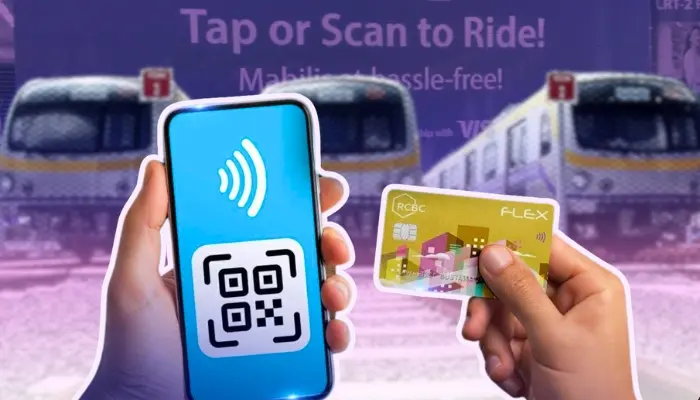
Manila, Philippines – Commuters on Manila’s Light Rail Transit Line 2 (LRT-2) can now tap standard bank cards, mobile wallets, or QR codes directly at turnstiles to pay their fares, following the launch of the country’s first fully unified open-loop transit payment platform.
The system integrates international Visa and Mastercard networks, Google Pay, and GCash QR codes into a single fare gateway alongside existing ticketing methods.
Developed by Rizal Commercial Banking Corp (RCBC) in partnership with the Department of Transportation (DOTr) and the Light Rail Transit Authority (LRTA), the upgrade turns everyday payment tools into instant train tickets, removing the requirement to queue for single-journey tokens or reload proprietary stored-value cards.
What sets this deployment apart from earlier transit updates is its all-in-one, bank-agnostic infrastructure.
While previous pilots introduced card-tapping on select bus routes and parts of the Metro Rail Transit Line 3 (MRT-3) in 2025, the LRT-2 network is the first in the country to consolidate international EMV standards—using Visa’s Mobility and Transport Transaction framework and Mastercard’s “Pay As You Go” capability—with domestic mobile fintech tools under one automated fare architecture.
By grouping QR and card payments together, the gateway remains accessible to both unbanked local commuters dependent on mobile wallets and international travelers using foreign bank accounts.
The infrastructure push aims to solve recurring supply chain vulnerabilities in the capital’s transit system.
For years, localized microchip shortages triggered severe deficits of physical “Beep” cards, forcing passengers into long queues at ticketing terminals during rush hour.
Transport Undersecretary for Railways Timothy John Batan noted that moving away from strict reliance on single-system transit cards will ease station bottlenecks, adding that data from the LRT-2 pilot will guide the rollout of the broader Philippine Automated Fare Collection System across the rest of the country’s rail networks, including the LRT-1.
For the central bank, embedding payment options into public transit is a deliberate strategy to broaden digital financial inclusion.
The LRT-2 line moves over 160,000 daily passengers, bridging Manila’s university district with eastern Metro Manila and Rizal province.
To accelerate adoption, RCBC is running a promotional campaign until July 31, using cashback rebates to drop individual fares to just one peso for its debit, credit, and MySSS DiskarTech cardholders.
Beyond daily convenience, the anonymised travel data recorded at the turnstiles will be analysed by the DOTr to map commuter travel patterns and support future public infrastructure investments.