
- English News
- Business
- Indias Borrowing Boom: Personal Loans & Credit Cards Hit 10 Year Highs | 2026 Trends
In the past decade, our financial habits have changed rapidly. EMIs, credit cards and home loans have now become a part of lifestyle. The financial liabilities of Indian households have increased to 6.2% of GDP, which is the highest level in the past decade.
According to Client Associates’ white paper ‘The New Indian Household Balance Sheet’, Indians’ borrowing is now outpacing their savings rate. In the post-pandemic period, household debt has grown at a CAGR of 44.6%. Economic experts believe that increasing debt is not always negative. It is also a sign of growing confidence and hope for better earnings in the future.
What is the big change?
– Savings are declining – Net financial savings before the pandemic were 7.7% of GDP. In financial year 2024, it has decreased to 5.2%. This means less money is left for investment out of every 100 rupees.
– Debt is increasing – Household financial liabilities have increased from 4.1% of GDP (before the pandemic) to 6.2% now, which is the highest level in a decade.
– Investment in property increased – The share of physical assets (mainly real estate) in total savings has increased from 58-60% to 70%.
– Surge in shares-mutual funds – Investment in equity and mutual funds has tripled from 4% in FY 2020 to 15% in FY 2025.
6.2%
Household debt as a proportion of GDP; at the highest level of the past decade.
44.6%
Annual growth rate of borrowing after the pandemic; faster pace than savings.
5.2%
Net financial savings compared to GDP; near the lowest level of the decade.
(Source: Client Associates – The New Indian Household Balance Sheet (2025)
Credit card, personal – vehicle loan debt has grown at the fastest pace in the past decade
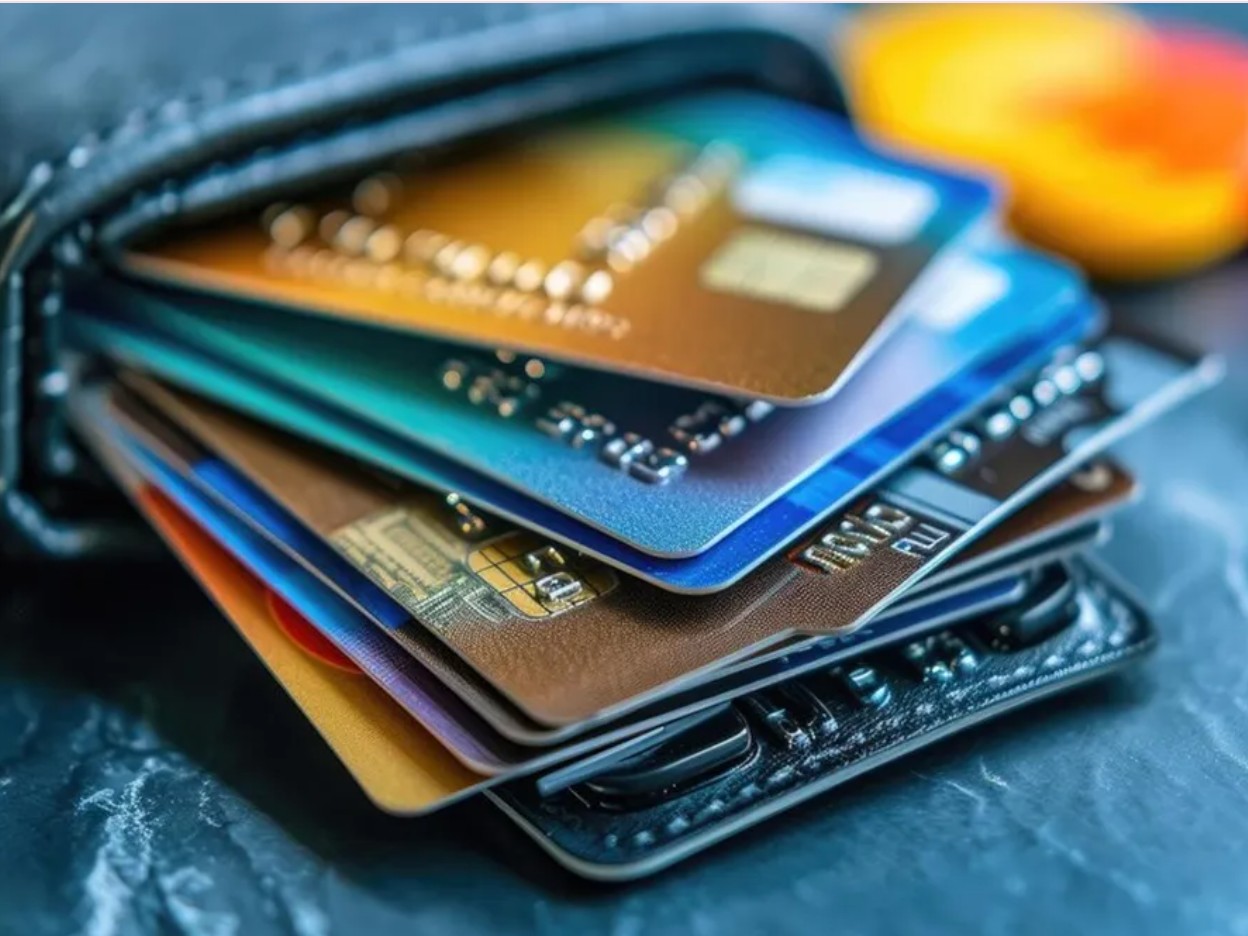
Credit card craze – Now debt is being taken not just for necessity, but also for a better lifestyle. This segment is growing at the fastest rate of 25.2%.
Personal Loan – Personal loans have seen a growth of 20.1% for lifestyle upgrades and consumption.
Attraction to Physical Assets – 70% of total household savings is now going into physical assets like real estate, leading to a shortage of cash in hand.
Planning:
Four important tasks we should start without delay
1: Start SIP: Regular investment in equity and mutual funds will build long-term wealth.
2: Review Debt: Credit cards and personal loans have the highest cost, pay these off first.
3: Build Fund: Create a 6-month emergency fund, keep it in liquid FD or debt funds.
4: Diversify Portfolio: Not just real estate, maintain a balance of equity, debt and gold.