
Multilevel governance
In another panel discussion, Laurence Graff, Adviser on EU Multilevel Climate Action, DG CLIMA, touched on a poignant and timely issue: multilateralism – where it’s lagging, and where it can be strengthened.
During her conversation with Dr Champa Patel, Climate Group’s Executive Director for Governments and Policy, she explained that smooth implementation will require the right cooperation between local, regional and national governments. She called for: “the timely involvement of local, and regional actors to strengthen the existing (EU Climate) framework.”
The EU’s endorsement of the Coalition for High Ambition Multilevel Partnerships (CHAMP) is a strategic step towards multilaterism. Yet steps alone will not deliver the finance required to drive implementation in this decisive decade. Multilevel governance is “central to effective and equitable climate policy”, so how can it be leveraged to ensure that regions across the EU experience the added value of multilevel engagement?
Graff explains, “we’re very happy to join the club and use CHAMP as a new initiative to foster mid-level governance. I see CHAMP as a way to create a space for collaboration among regional actors to share experiences and make it clear that at local level you can make a big difference.”
Can there be a successful pathway to net zero without states and regions, the key economic players? No. States, regional and devolved governments in the Under2 Coalition have proved this. Nearly 73% of its governments are advancing climate action plans, and over 50% of those plans more ambitious than their national counterparts.
In her latest policy brief, Closing the delivery gap, Dr Patel called for a whole-of-government approach and for relationships between national governments and economic actors to be strengthened ahead of COP31.
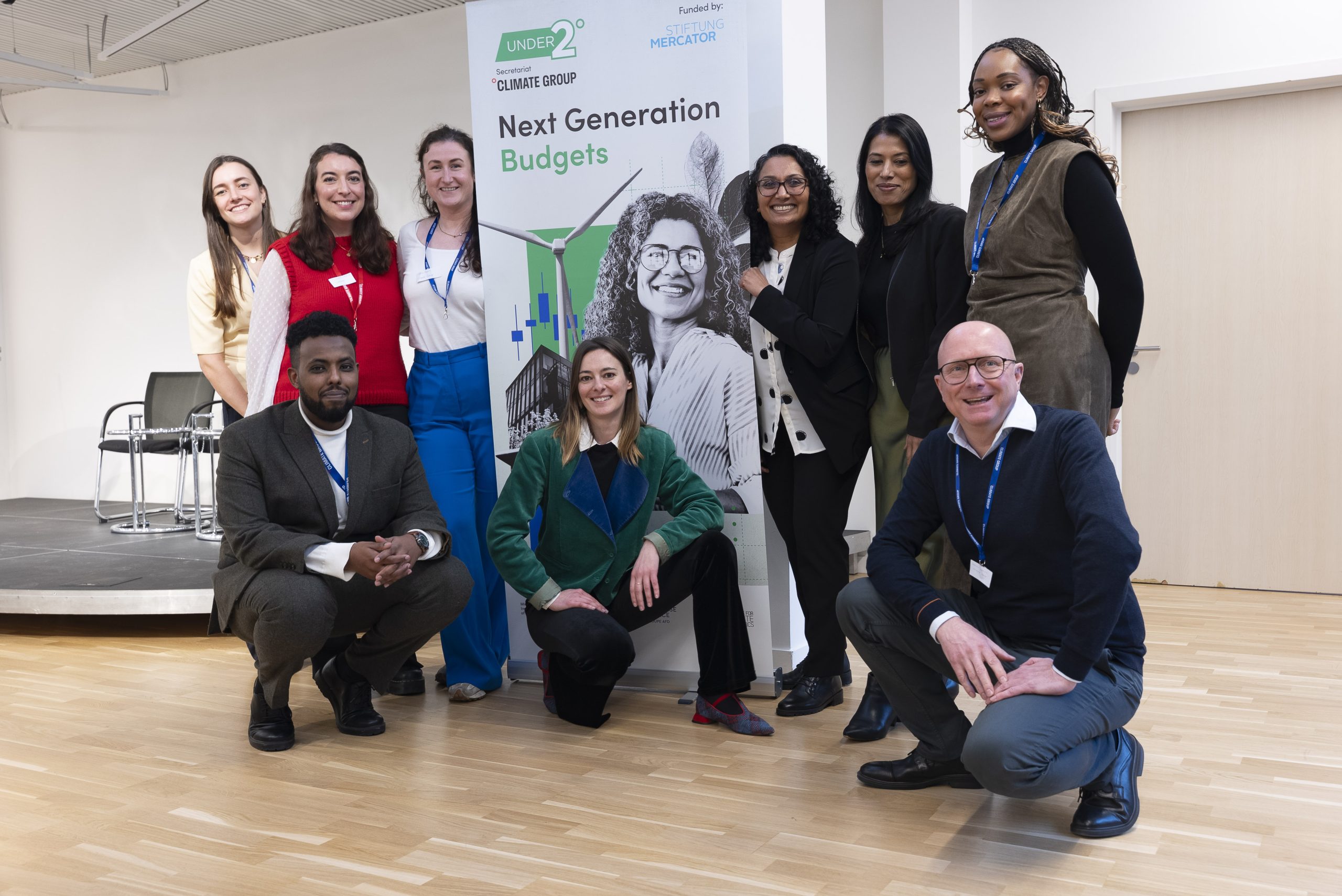
Ruhbaum also explained why subnational governments matter: “States and regions are where budgetary decision translate into real world outcomes. Initiatives like Next Generation Budgets create the shared language, trust and practical evidence.”
In a rallying cry for more ‘progressive voices’, Graff shared a direct call to subnational governments: “You are the climate doers compared to the climate doomers, you are the implementers.” She continued, “I see a lot of energy, innovation, and promising ideas that you do not necessarily hear from central governments or here in Brussels.”