
Dear Mr. Feichthaler,
I write today about bad tax news, and its not just that April 15 is rapidly approaching! I inherited my home two years ago from my mother, who lived there since 2010. Due to the homestead exemption, and the Save Our Homes cap that was low back from the recession, my taxes were very low. I never recorded a death certificate, so the property appraiser still has it in her name.
This past year, I sought a mortgage, so I had to record the death certificate so the property would be officially in my name. Well, the property appraiser took a look and noted that she died two years ago, so they have reassessed the property, eliminating both the cap and the homestead exemption. The result is they are demanding $16,000! Plus, they say if I don’t pay it within 30 days, they will file a lien against the property! Can they do this?
Brandon M.
Dear Brandon,
The Florida homestead tax exemption and the Save Our Homes cap are incredibly beneficial to tens of thousands of Lee County residents. Many buyers of homes in Cape Coral do not realize that the taxes paid by the current residents could be markedly higher the next year when the cap is removed from the prior owner.
In your situation, you didn’t buy it. Rather, you inherited it from your mother. Based on the fact that nothing was recorded with the Lee County Clerk of Courts, it is likely she had a life estate deed naming you as beneficiary. By doing so, the property would have avoided probate. However, as you noted, you were required to record the death certificate to officially transfer the property to your ownership. The county is saying you received the benefit of the Save Our Homes Cap, and the homestead exemption, during the year or years after her death, to which you were not entitled.
As the $16,000 indicates, the penalties for claiming a homestead reduction improperly are steep. In addition to owing tax on the new taxable after the cap is removed, the statute provides for a 50% penalty on the amount owed, PLUS 15% interest per year until paid off. Also, if it is believed a homeowner committed fraud in obtaining the lower taxable value, misdemeanor charges could result as well.
Your question did not indicate whether you moved into the home, or are using it as a rental or other purposes. This is a factor that could “save” someone in your position from the Save Our Homes Cap being removed and seeing a big tax bill. If you were the sole heir of the property, AND you moved into the home and made it your primary residence, you could also inherit the Save Our Homes cap from your parent. To do so, you have to file for homestead AND for portability prior to March 1 after the year of death. Remember, you have to establish homestead by having a drivers license and other indicia of domicile prior to applying. If you were, in fact, living there and just didn’t realize you had to apply for homestead to retain the benefit, it may be difficult to have them reinstate the cap. However, they may remove the interest and penalties since you didn’t intend to defraud anyone. I work with many organizations and attorneys, and my experience in working with the Lee County Property Appraiser has always been a positive. If they have a way to give taxpayers the benefit of the doubt, they will. Whether you decide to seek assistance from an attorney or not, contacting the property appraiser to discuss the situation may result in a substantial reduction in what is owed, as well as additional time to make whatever payments are required.
Florida homestead laws, and the impact on property tax burden, are incredibly beneficial to so many homeowners. However, these laws are also among the most complicated in the United States. A mistake, as you are finding, can be very costly.
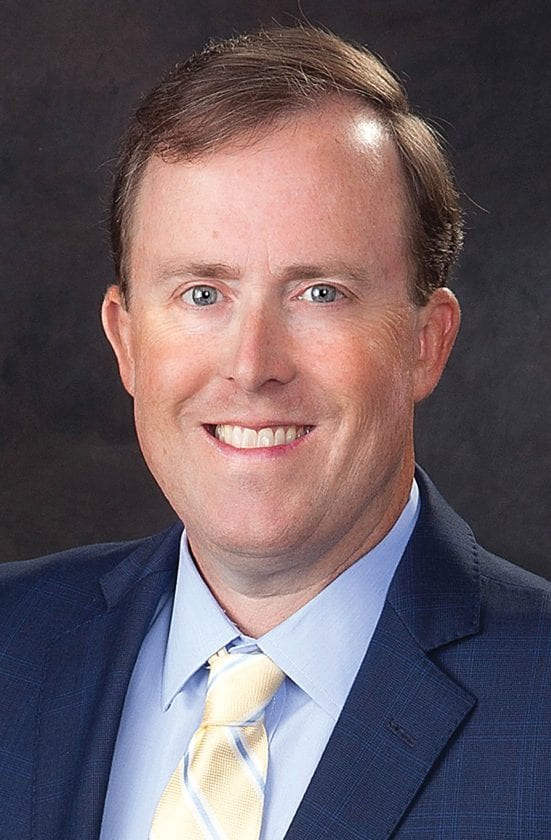
Eric P. Feichthaler has lived in Cape Coral for over 38 years and graduated from Mariner High School in Cape Coral. After completing law school at Georgetown University in Washington, D.C., he returned to Cape Coral to practice law and raise a family. He served as mayor of Cape Coral from 2005-2008, and continues his service to the community through the Cape Coral Caring Center, and serves as President of the Cape Coral Kiwanis Foundation. He has been married to his wife, Mary, for 25 years, and they have four children. He earned his board certification in Real Estate Law from the Florida Bar, and practices in real estate law, estate planning, and wills and trusts. He is AV Preeminent rated by Martindale-Hubbell for professional ethics and legal ability, and is a Supreme Court Certified Circuit Civil Mediator. He can be reached at eric@capecoralattorney.com or 239-542-4733.
This article is general in nature and not intended as legal advice to anyone. Individuals should seek legal counsel before acting on any matter of legal rights and obligations.