
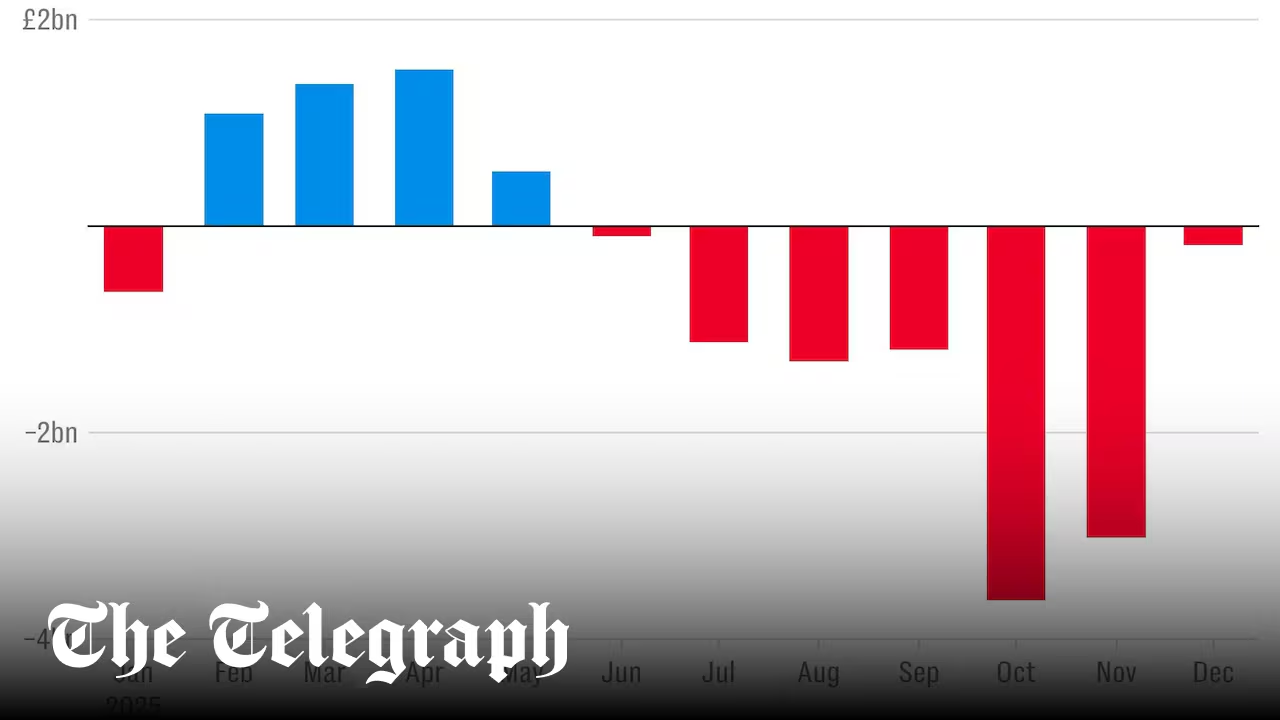
As the year wound on, international fears were replaced by domestic woes, and the prospect of a second Labour Budget began to take its toll. After months of U-turns, leaks and speculation, investors were terrified.
Laith Khalaf, of AJ Bell, said: “The Budget leaks were hugely damaging to investor confidence. The Government has used such a negative tone in their pitch for tax rises – I understand why they’ve done it, but it doesn’t encourage investment.”
In October and November alone, investors pulled more than £6.6bn.
“The Government massively underestimated the impact of National Insurance rises and an increased minimum wage,” said John Monaghan, of investment research house Titan Square Mile. “It wasn’t a good signal to send to the markets.”
This is not a new story. UK equity markets celebrated their 10th year of consecutive outflows, with retail investors withdrawing more than £71bn since the Brexit vote in 2016. But 2025 marked the first year since then that investor depression infected their view of the entire global market.
The opening month of 2026 does not bode well for those hoping 2025 was an annus horribilis to be consigned to memory. After a more muted outflow of £187m in December, investor panic has returned. They withdrew £697m in January, extending the unprecedented negative run to eight months.
Edward Glyn, head of global markets at Calastone, said: “The pace of outflows in January was far slower than in the run-up to the Budget… [which] indicates that the risk of conflict over Greenland was more of a tail risk in investors’ minds rather than a clear and present danger.
“It shows, however, that it doesn’t take much to fracture fragile sentiment, especially when stock prices are riding this high.”