
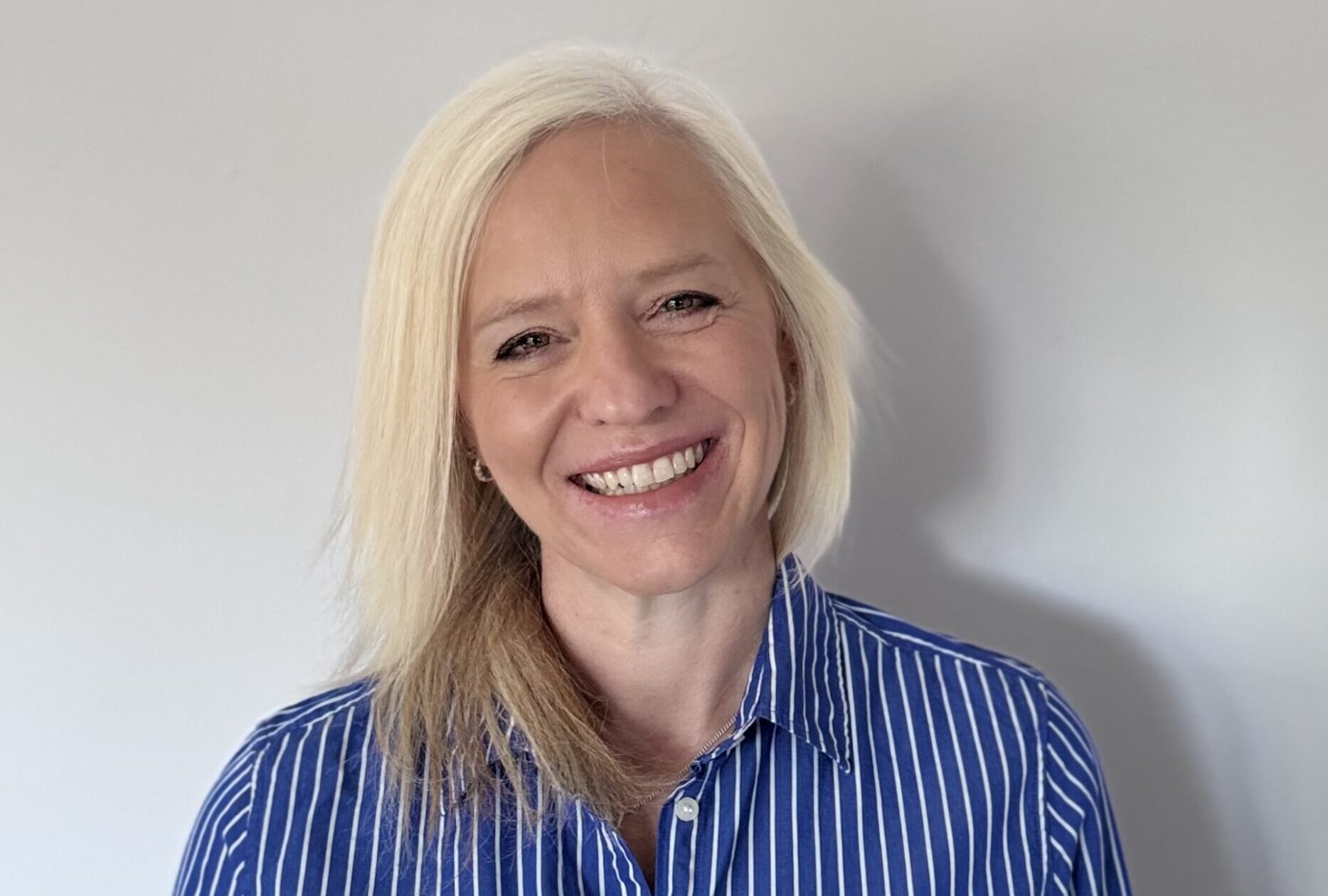
Maryland Rep. Johnny Olszewski plans to propose legislation to allow Congressional candidates to use public money for their campaigns.
Supporters say it’s a way to wrest congressional elections away from rich donors and open the door for people of color, women, and younger candidates to be competitive.
Olszewski recently brought together in Towson people who admit they are campaign finance nerds and they didn’t mince words.
“The thing that we hear from everybody is the system is broken and they want to tear the whole thing down,” said Brian Lemek, executive director of the group Defend the Vote. “They just want to start over. Nobody is working for their best interest. Nobody cares about their issues.”
Laura Williamson, Senior Policy Advisor for the Southern Poverty Law Center said, “There is a real desperate cry for leaders, especially in Washington to do something differently. There is a deeply felt sense, especially among communities of color, especially in the south that it’s not working and they want something big and bold and different.”
Olszewski, a Democrat, wants to replicate for congressional candidates what he did in Baltimore County when he was county executive. He put in place an option for candidates to qualify to use matching public funds for campaigns for county executive and county council. They agree to take only small individual donations and no money from businesses and PACS. It’s available for the first time this year.
Olszewski said, “When I ran for Congress I talked about wanting to scale the good ideas we had in Baltimore County for our country and this is a prime example of doing just that.”
Baltimore County Elections Director Ruie Lavoie has heard from candidates first-hand.
“They were so thankful for this program,” Lavoie said. “I heard that over and over again from the younger candidates, from the female candidates.”
Councilman Pat Young has qualified for the matching funds in the county executive race. A couple of county council candidates have qualified as well and several others are trying to.
Montgomery County has had campaign public financing since 2018. Council member Kate Stewart has used it for her campaigns.
Stewart said, “Over the years we’ve seen more and more candidates use this system and in fact when we look at the amount of money that is raised by different candidates, we see that for candidates of color and women, that they’re becoming much more competitive having public financing.”
Stewart said five of the six women on Montgomery’s 11 member council used public financing in the last election.
There are no women on the Baltimore County Council.
Public financing has its critics who say it is an inappropriate use of taxpayers’ money. It can take millions of dollars to be competitive in a congressional race.
New York Rep. Joe Morelle, who is the ranking member on the House Administration Committee, said they have to carefully craft the public campaign finance legislation.
“If we mess this up and the public is alarmed that whatever feature, unintended consequences, we’ll lose what little faith people have in the system,” Morelle said.
The devil is in the details, like what do candidates need to do to qualify and how do you ensure the tax money is being spent properly?
Former Maryland Rep. John Sarbanes, a Democrat, for years tried and failed to pass sweeping campaign finance reform. Sarbanes said there are always challenges.
Sarbanes said. “The question is are those challenges going to be inside a system that is basically run and owned by big money and special interests, or are those challenges going to present themselves inside of a system that is built for everyday Americans? And then you solve them as they come up.”
Olszewski said he plans to introduce his public campaign finance bill when it’s ready, either this year or perhaps in 2027, after the mid-terms, when Democrats hope to regain control of the house.
The campaign finance roundtable was a “preaching to the choir” affair, with Olszewski surrounded by progressive groups like Common Cause Maryland and Progressive Maryland.
Olszewski said he believes the legislation can eventually pass but acknowledged he will need buy-in from Republicans.
“This is a piece of legislation that is being used by Republicans in places where it’s been implemented for a while, Olszewski said. “We’re hoping to earn not just Democratic support but we want to have Republicans in Congress support this too.”

