
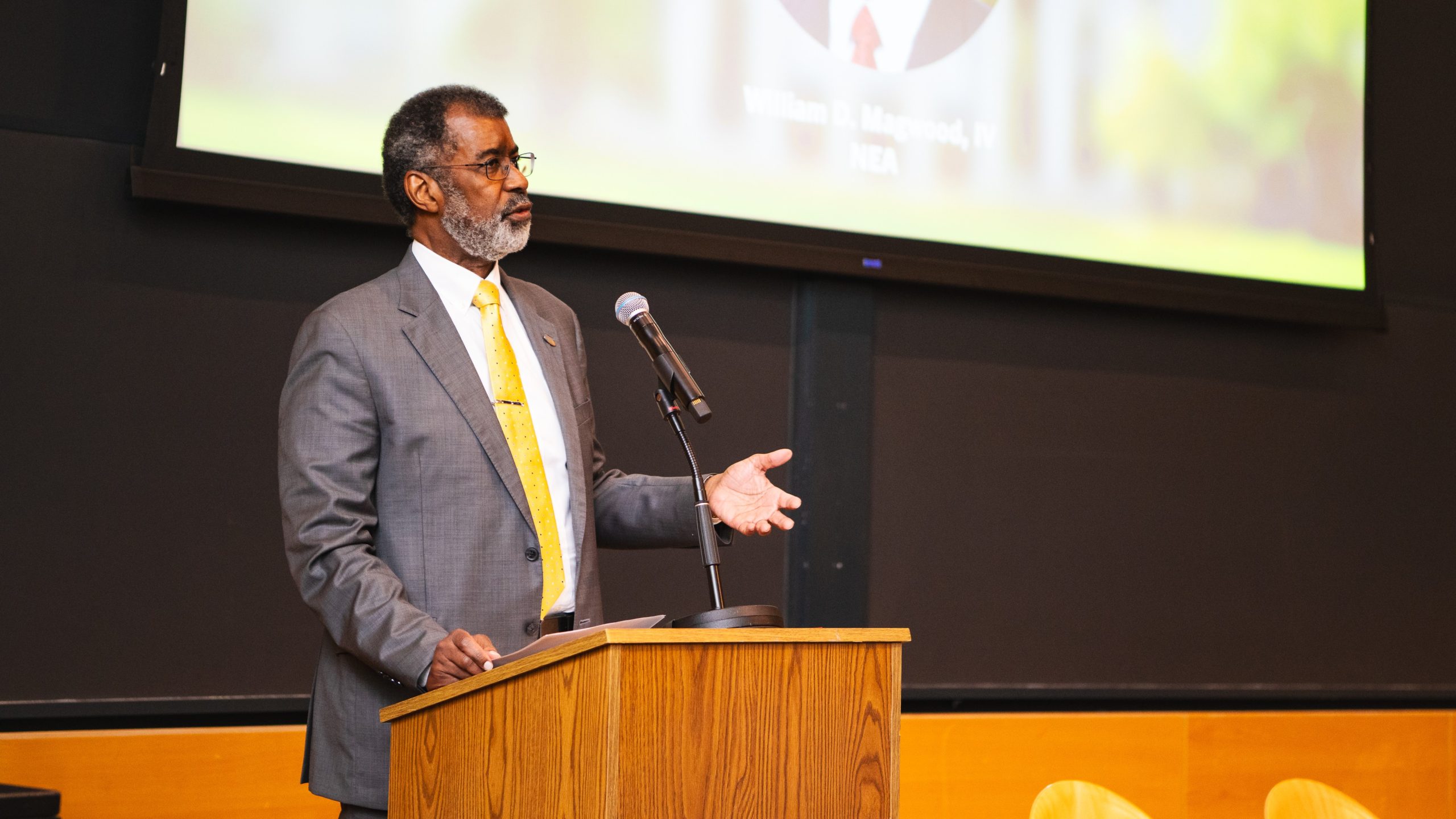
Nuclear financing was the centre of discussion at the NEA-MIT conference on Financing the Nuclear Future: From Demonstration to Deployment, held on 11-12 June 2026 at Massachusetts Institute of Technology (MIT) in Cambridge, Massachusetts, United States. This event welcomed 80 participants from government, banking, academia, research, consulting and industry as a lead up to the NEA’s high-level event later this year, Roadmaps to New Nuclear.
Discussions highlighted a clear message: while the economic case for new nuclear projects is strengthening, large-scale deployment will require financing models that better address construction risk, delivery risk and workforce readiness. Public-sector support, such as loan guarantees, off-take agreements from energy-intensive customers and more competitive delivery models can all help improve project economics.
However, private investors remain focused on limiting exposure to cost overruns and schedule delays, including key residual risks such as completion risks, underlining the importance of clearer risk-sharing arrangements and partnership models.
The conference highlighted that delivering new nuclear projects may depend not only on access to financial capital, but also on the availability of skilled human capital. Labour organisations may be willing partners, but they need firm project commitments, binding agreements and trusted developer–engineering, procurement and construction (EPC) contractor relationships before committing to recruitment and training pipelines. Workforce strategy should therefore be treated as an early condition to build the investment case, not a late-stage execution workstream.
Discussions also addressed the pathways for meeting new nuclear ambitions, including the development of advanced reactors and fusion. Participants considered these technologies not only as engineering challenges, but also as questions of capital formation, industrial readiness and public-private partnership.
The insights from the conference will help inform the NEA’s continued work on nuclear financing and its engagement with global stakeholders.

