


This article contains affiliate links. We may earn a small commission on items purchased through this article, but that does not affect our editorial judgement.
Extended family living, period character, a detached garage and a prime Roundhay address combine in this three-bedroom Leeds home priced at £495,000
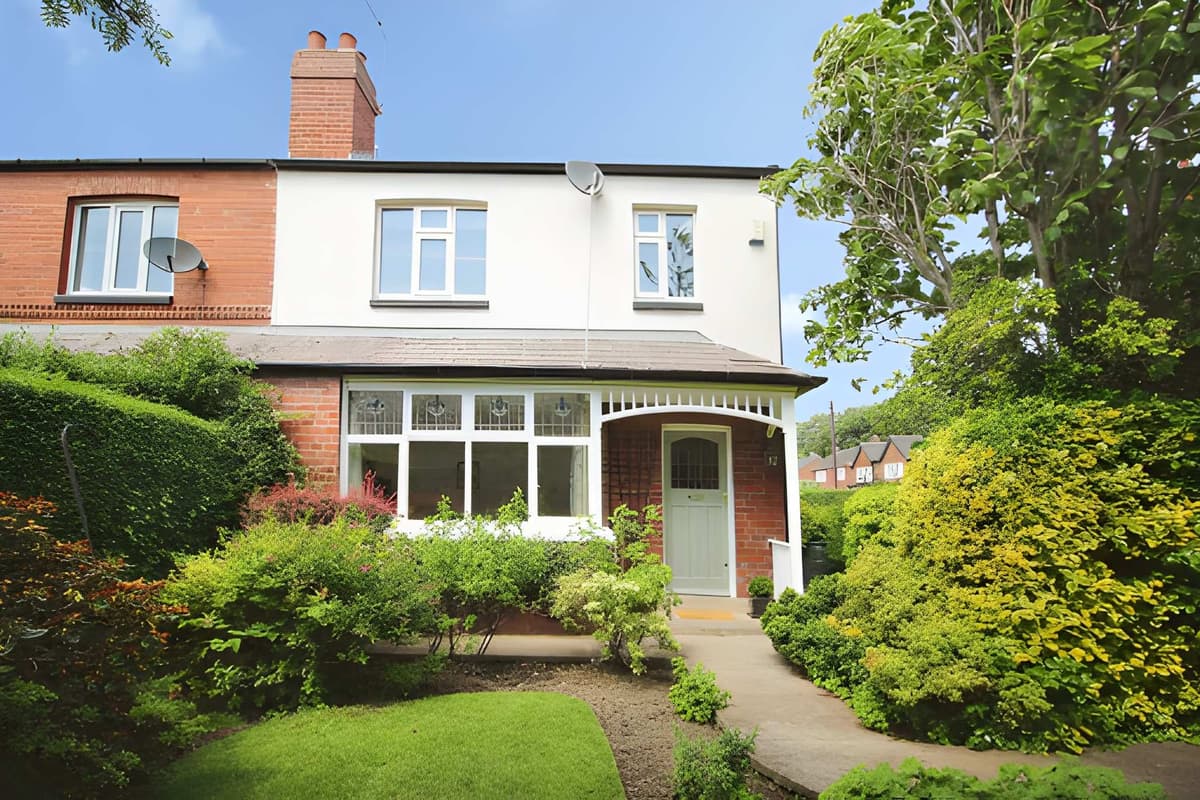
A three-bedroom semi-detached home on Davies Avenue in Roundhay, Leeds, is on the market for £495,000, offering an extended layout, a detached garage, gated driveway and a sought-after location close to Roundhay Park. Available with no onward chain, this freehold property combines retained period character with modern living spaces in one of the area’s most desirable residential settings. Readers can view the full listing, explore all photographs, take the virtual tour and book a viewing through Purplebricks.
The home occupies a prime position on Davies Avenue, with a mature front garden and gated driveway creating an impressive first impression. A detached garage adds valuable parking and storage, while original details including the front door and stained-glass features have been preserved to maintain the property’s character. Those interested can find more information about the Davies Avenue home before arranging a visit.
Inside, the property has been extended to the rear to create a spacious kitchen and dining area designed for modern family life. Stone flooring, walnut worktops and a central island form the heart of the room, while integrated appliances include a microwave, dishwasher, range cooker and washing machine. French doors and Velux windows bring in plenty of natural light and provide an easy connection to the private garden, making the extended kitchen and dining space a standout feature of the home.

The separate lounge offers a welcoming setting with a gas fire at its centre, while the retained period touches help create a comfortable and characterful living space. The balance between traditional features and contemporary updates gives the family living areas broad appeal for buyers looking for a home ready to enjoy.
Upstairs, there are two generous double bedrooms alongside a single bedroom, providing flexible accommodation for families, guests or home working. The recently fitted bathroom includes a classic roll-top bath as well as a high-specification shower, creating a stylish and practical space. Prospective buyers can see the bedrooms and bathroom in greater detail through the online gallery and virtual tour.
Outside, the private rear garden offers space to relax or entertain during the warmer months, while the gated driveway and detached single garage provide everyday convenience. The property also benefits from being close to Roundhay Park, local amenities and highly regarded schools, making the Roundhay location an attractive option for a wide range of buyers.
The property is being offered with no onward chain and an open day for viewings is scheduled for Saturday 4 July 2026 between 9am and 1pm, with booking available through the Purplebricks website. The earliest opportunity to view is during this open day, so interested buyers are encouraged to book a viewing in advance.
This article was produced with the support of AI tools to assist in sourcing and structuring information. All content has been reviewed, verified and completed by an Iconic Media Group journalist prior to publication.

With the housing market continuing to shift in many parts of the UK, homeowners often choose to start by getting an up-to-date view of what their property could be worth. Estate agent Purplebricks offers a free, no-obligation valuation carried out by a local property expert familiar with current prices and demand in the area 📊.
The appointment typically includes an assessment of the property’s likely market value along with guidance on pricing and presentation if the owner decides to sell 💷. Valuations can be arranged online in just a few minutes by choosing a convenient appointment time and requesting a visit from a local property specialist.
👉 Book a free property valuation with Purplebricks here: