


Landlords still believe residential property remains a good long-term investment despite increased regulation, research suggests.
Analysis by lettings agency brand Benham and Reeves found that almost two-thirds – at 62.7% – of landlords intend to maintain their current portfolio over the next year, while just 3.9% plan to expand.
The research ranks landlord taxation ranking as both the biggest barrier to further investment and the number one change that would encourage landlords to invest again.
Other changes that landlords would like to see include lower Stamp Duty – at 13.7% -, a faster or easier possession process at 12%, greater confidence in the economy at 11.6% and lower property prices at 9%.
The issue isn’t that landlords have lost faith in property.”
Despite the challenges facing the private rental sector, 50.6% of landlords believe residential property remains a good long-term investment, even in the face of increased regulation.
However, confidence in the wider future of the private rental market is more subdued. Some 39.1% of landlords state that they are either somewhat or very unconfident about its long-term future, compared to 33.9% who remain confident.
Profitability is also a concern, with 38.9% expecting the profitability of their buy-to-let portfolio to decrease during the next 12 months, more than five times the 7.6% who expect it to increase. A further 45.8% expect profitability to remain unchanged.
While two thirds are considering expansion, 14.2% plan to exit the rental market entirely, the research found.
For those landlords who are considering investing, the traditional residential single-let remains by far the most attractive option, favoured by 48.2%.
Properties requiring refurbishment rank second at 18.3%, followed by holiday or short-term lets at 11.0%.
Meanwhile, HMOs at 5.5%, student accommodation at 4.3%, corporate lets at 3.7%, and new-build properties at 3.7% account for considerably smaller proportions of landlord investment appetite.
Of those landlords considering expansion, long-term retirement and investment planning is the primary motivation, cited by 43.7%, followed by strong tenant demand at 17.2%, the belief that property currently represents good value at 16.1%, and expectations of house price growth at 11.5%.
Long-term investment
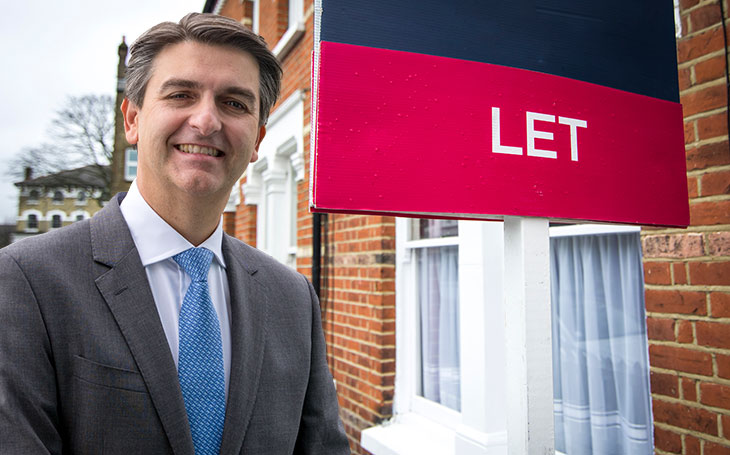
Marc von Grundherr, Director of Benham and Reeves, (pictured) says: “Despite years of headlines predicting the demise of the private landlord, the reality is that buy-to-let remains an incredibly strong long-term investment and, importantly, half of landlords themselves still believe this to be the case.
“The issue isn’t that landlords have lost faith in property. Almost two-thirds intend to maintain their existing portfolios and, amongst those looking to expand, long-term investment planning is by far the most common motivation.
The environment in which landlords are being asked to operate has become substantially less attractive.”
“The problem is that the environment in which landlords are being asked to operate has become substantially less attractive.
“Rental demand remains extremely strong and the traditional residential rental property remains the preferred choice for those looking to expand. The appetite for buy-to-let hasn’t disappeared, but we need an environment that encourages landlords to put additional capital into the sector.
“Without this investment, rental supply will remain constrained and, ultimately, it will be tenants who suffer through greater competition and continued upward pressure on rents.”