
It has been an interesting day so far with both precious metals and crude oil prices falling. Both oil and precious metals have traded in opposite directions over the last few weeks.
Gold had slipped below $4,800 per ounce again as the dollar rose against a basket of major currencies.
Meanwhile, oil prices fell on expectations that the US and Iran would agree to a peace deal, which would thereby reopen the Strait of Hormuz.
Among base metals, both copper and aluminium prices were in the green on Tuesday.
Oil prices slip
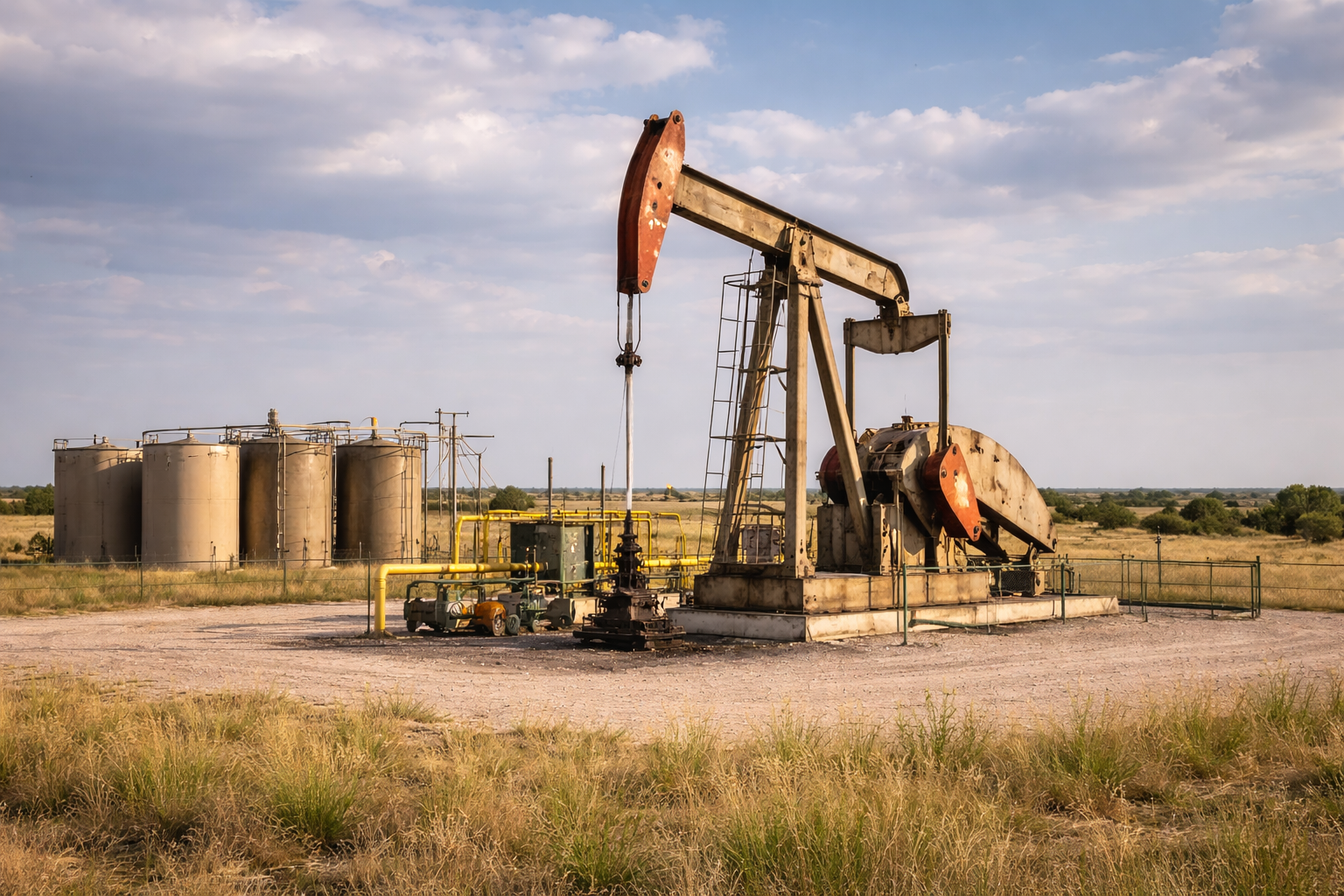
Oil prices dropped on Tuesday despite US President Donald Trump’s statement that he would not extend an imminent ceasefire, as expectations rose that peace talks between the United States and Iran could lead to the reopening of the Strait of Hormuz.
Tensions over Iran and shipping disruption in the Strait of Hormuz are contributing to global uncertainty, particularly for Europe’s energy outlook.
In a Tuesday interview with CNBC, Trump stated his opposition to extending a ceasefire with Iran, predicting instead that the US would ultimately secure what he termed a “great deal.”
However, an Iranian official later fueled the uncertainty by indicating that no decision had been made regarding attending talks.
Adding to the instability, shipping traffic through the Strait of Hormuz—a crucial conduit for roughly one-fifth of the world’s oil supply—remained restricted on Monday.
Consequently, EU Energy Commissioner Dan Jorgensen warned that Europe faces a “difficult summer” due to potential fuel shortages, even under the most favorable circumstances.
A Ukrainian drone attack on Russia’s Black Sea port of Tuapse resulted in a fire that firefighters were still battling on Tuesday, more than a day after the incident. Tuapse is a significant location, serving as an oil product export hub and hosting a Rosneft oil refinery.
Separately, as a result of recent events, Russia’s oil output for April has been estimated to be reduced by approximately 300,000 to 400,000 barrels per day, according to Reuters calculations.
At the time of writing, Brent crude was at $94.78 per barrel, down 0.8%, while West Texas Intermediate was also 0.8% lower at $86.75 a barrel.
“Brent has rarely strayed outside of $90-$92, while WTI has mostly kept within the borders of $86-$88 per barrel. Investors are back in ‘wait and see’ mode ahead of possible US-Iran peace negotiations in Pakistan,” said David Morrison, senior market analyst at Trade Nation.
Gold falls below $4,800
Gold prices briefly fell below $4,800 per ounce as a stronger dollar made the commodity more expensive for overseas buyers.
“Markets are hesitant about a potential deal between the US and Iran, given the weekend’s developments and mixed rhetoric. This is keeping bulls in check for now and may confine gold to a tight range until certainty arrives,” said Zain Vawda, analyst at MarketPulse by OANDA.
The potential trading range for gold is between $4,750 and $4,850, and according to Vawda, any price movement above this level would depend on announcements related to the Middle East.
The gold contract on COMEX remained volatile as prices were now trading above $4,800 per ounce at the time of writing.
Despite its foreign ministry condemning a weekend attack on the Iranian commercial vessel Touska as a US action, a senior Iranian official stated that Tehran is considering joining peace talks with the US in Pakistan.
The US, for its part, remains confident the talks will proceed.
The surge in oil prices, following the US and Israeli strikes on Iran on February 28, has escalated concerns about inflation.
While gold is typically viewed as an inflation hedge, its appeal as a non-yielding asset diminishes during periods of high interest rates.
Meanwhile, former Fed Governor Kevin Warsh is scheduled for a Senate Banking Committee hearing at 10 a.m. EDT (1400 GMT), an important step in his bid to become the next head of the US central bank.
On Friday, the silver price initially increased to its highest point since mid-March, driven by the news of the Strait of Hormuz reopening. However, this gain was corrected on Monday following the Iranian leadership’s reversal of the decision.
“But silver now lacks overall direction and is trading on the whim of the US dollar. This looks unlikely to change until there’s at least some clarity over the outcome of the US-Iran war, and the state of the Strait of Hormuz,” Morrison said.
The COMEX silver contract was last at $78.995 per ounce, down 1.3%.