
Summarised by Centrist
A small Far North community could become the first place in New Zealand to relocate entirely to higher ground because of repeated flooding.
Whirinaki, in South Hokianga, was hit by another major flood on March 26. Sixty-five homes were affected, with nine left uninhabitable.
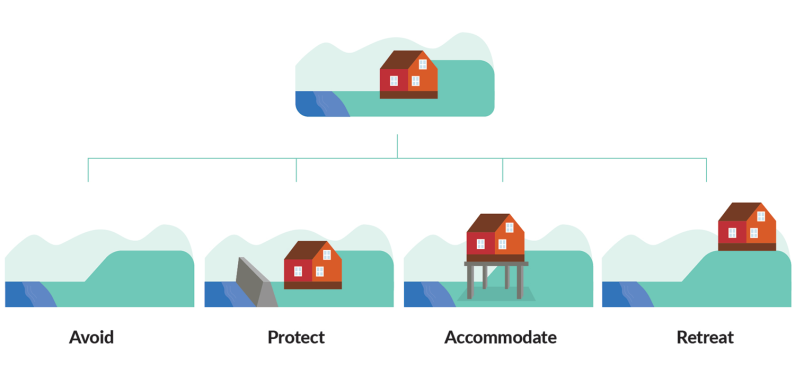
Planning for a move was already underway before the latest flood. Northland Regional Council’s Chantez Connor-Kingi said no flood-mitigation solution could be found for Whirinaki, and locals concluded managed retreat was the only answer.
The plan would move 43 homes and about 260 people off the flood plain. A business case put the cost at $60 million for new homes and community infrastructure if 80 whānau had to be relocated, plus another $26m for economic development initiatives.
About a fifth of the funding was expected to come from philanthropic groups and foundations, with the rest from central government.
But not everyone wants to move.
Bridget Wallace, who lost everything in the March flood, said: “I’m not interested in that, I’m sorry. No way will I move. Our tūpuna didn’t run away from their land.”
Climate Change Minister Simon Watts said decisions of this nature are best made locally, with councils taking a leading role.
Editor’s note: The article does not say residents will be forced to move. But who decides when land is no longer worth defending, who pays for the loss, and what happens to owners who refuse to leave?
The pressure may not come through direct confiscation. It may come through council planning, insurance withdrawal, banks refusing to lend, infrastructure decisions, restrictions on rebuilding, or public funding being tied to relocation.
The government’s National Adaptation Framework includes a national flood map that may help buyers and councils. It may also reduce the value of homes in newly identified risk zones.
An Environmental Defence Society report on managed retreat says many private property owners may lose “much, if not all,” of their land and buildings, and that many such losses may not be covered by insurance.