
The JSE has lifted its suspension of trading in Wesizwe Platinum shares after the group provided financial statements for the last two financial years.
Trading was suspended a year ago due to the company’s failure to publish audited financial statements for the year to December 2024.
Wesizwe has now published its 2024 and 2025 financial statements, prompting the JSE to lift the suspension.
The shares nearly doubled from 45c pre-suspension to 83c by late afternoon on Thursday.
ADVERTISEMENT
CONTINUE READING BELOW
For the 2025 financial year, the group reported an after-tax profit of R159.6 million (compared with a loss of R199.1 million in 2024), but this was mostly from foreign exchange gains of R2.9 billion on foreign currency-denominated loans.
The mine remains in development and has yet to generate revenue from production.
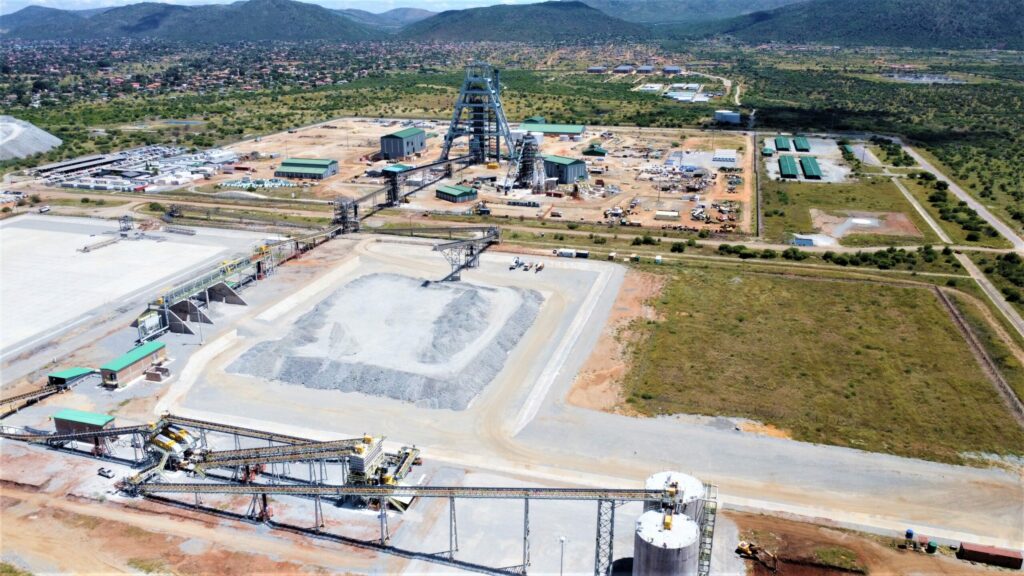
The company has been burning cash at the rate of about R920 million for each of the last two financial years, most of this on its Bakubung Platinum Mine in the North West.
Last week, it announced the start of Section 189 consultations (under the Labour Relations Act), which could see 70% of its 706 employees retrenched.
Read: Bakubung Platinum Mine temporarily shuts down amid talks to cut 500 jobs
Bakubung was initially expected to reach production years ago, but technical problems, labour disputes, community unrest and funding challenges repeatedly delayed commissioning.
ADVERTISEMENT:
CONTINUE READING BELOW
Mine development has been dependent on ongoing financial support from parent company Jinchuan of China.
The reasons for the 2025 suspension included auditor concerns around ongoing legal disputes and contingent liabilities, escalating project costs at Bakubung, and going-concern assessments.
The 2025 financial statements appear to put many of these concerns to bed, with directors stating there is no reason to believe the group will not remain a going concern by the end of the current financial year.
In March this year, the company announced a strategic shift in its production strategy, scrapping its previous target of one million tonnes per annum (Mtpa) in favour of a more aggressive single-stage ramp-up to 3.5 Mtpa.
Read: