
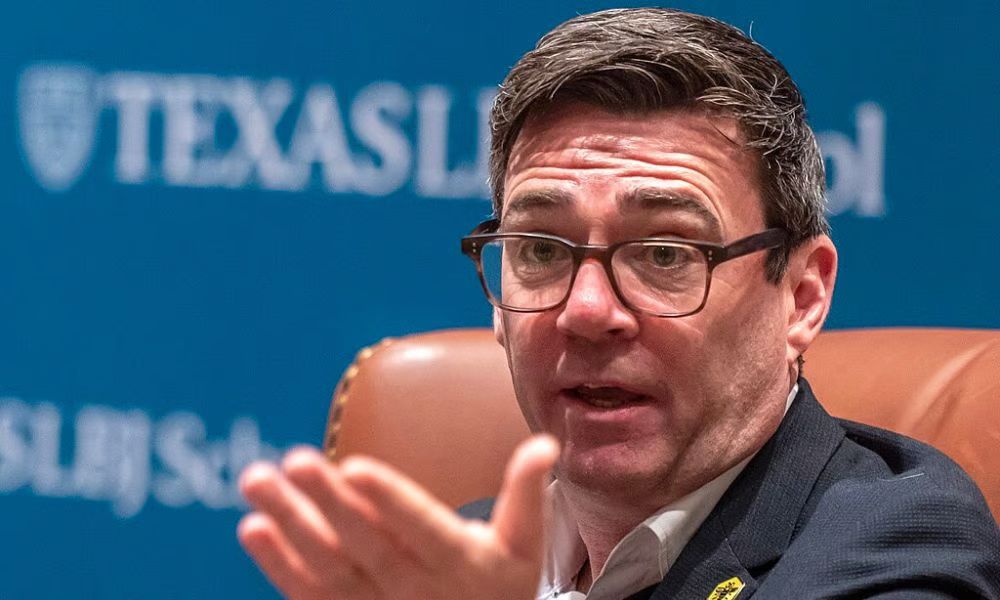
He served as mayor from 2017 until his return to national politics in 2026, with a mayoral agenda that spanned transport integration, bus reform, housing, homelessness, policing, skills and regional devolution. His path back to Westminster was engineered through a by-election in Makerfield, which he won in June, having been blocked from an earlier attempt to re-enter Parliament. With no other candidate able to secure the 20% of parliamentary nominations required to mount a challenge, Burnham’s leadership of the Labour Party was effectively confirmed without a contest, and he was formally declared leader on 17 July. He takes office today as the UK’s seventh prime minister in a decade.
Markets: relief, not confidence
Markets were broadly calm this morning ahead of Burnham’s formal appointment, with most of the reaction having already played out over the past week, according to Nigel Green, chief executive of deVere Group. Sterling holds near a 13-month high against the euro and close to $1.35 against the dollar, gilt yields sit at around 4.95% having eased back from a two-month high, and the FTSE 100 trades essentially flat just above 10,500 — with investors having largely priced in Burnham’s arrival and rallied on reports that Shabana Mahmood will take the Treasury over Ed Miliband.
That calm, however, should not be misread. “Calm markets this morning tell you nothing about what comes next,” Green said. “What we’re looking at is relief that the worst-case chancellor did not get appointed, not confidence in the platform Burnham is bringing into Downing Street. Investors and wealthy families need to understand this distinction before they read this stability as a green light.”
The earlier turbulence set the context for that relief. When Burnham’s candidacy was announced in May, the 10-year gilt yield hit its highest level since 2008 at 5.137%. Speculation that Miliband could be handed the Treasury role then drove yields to an 18-year high on the 10-year and a 28-year high on the 30-year. The retreat to around 4.95% reflects the market’s relief at the Mahmood reports rather than any reassessment of the broader fiscal outlook.
The chancellor appointment will matter to markets
Burnham is expected to appoint Mahmood as chancellor when he formally confirms cabinet positions today. According to Green, Mahmood is “viewed as pragmatic and disciplined… and is expected to tear up the fiscal rules that have kept gilts comparatively stable through the uncertainty of a leadership change.”