

- In April 2026, Freddie Mac announced that its Conventional Small lending product is now integrated into its core Conventional lending platform, immediately accepting applications for multifamily fixed-rate loans between US$2 million and US$10 million while phasing out the prior Small Balance Loan program over two weeks.
- This shift consolidates more than US$47 billion of historical small-loan financing experience into a single, streamlined offering aimed at supporting affordable workforce housing through simplified execution, reduced volatility for Optigo lenders, and more predictable terms for borrowers.
- We’ll now examine how integrating Conventional Small loans into Freddie Mac’s core platform shapes its investment narrative around affordable housing finance.
The future of work is here. Discover the 35 top robotics and automation stocks leading the charge in AI-driven automation and industrial transformation.
What Is Federal Home Loan Mortgage’s Investment Narrative?
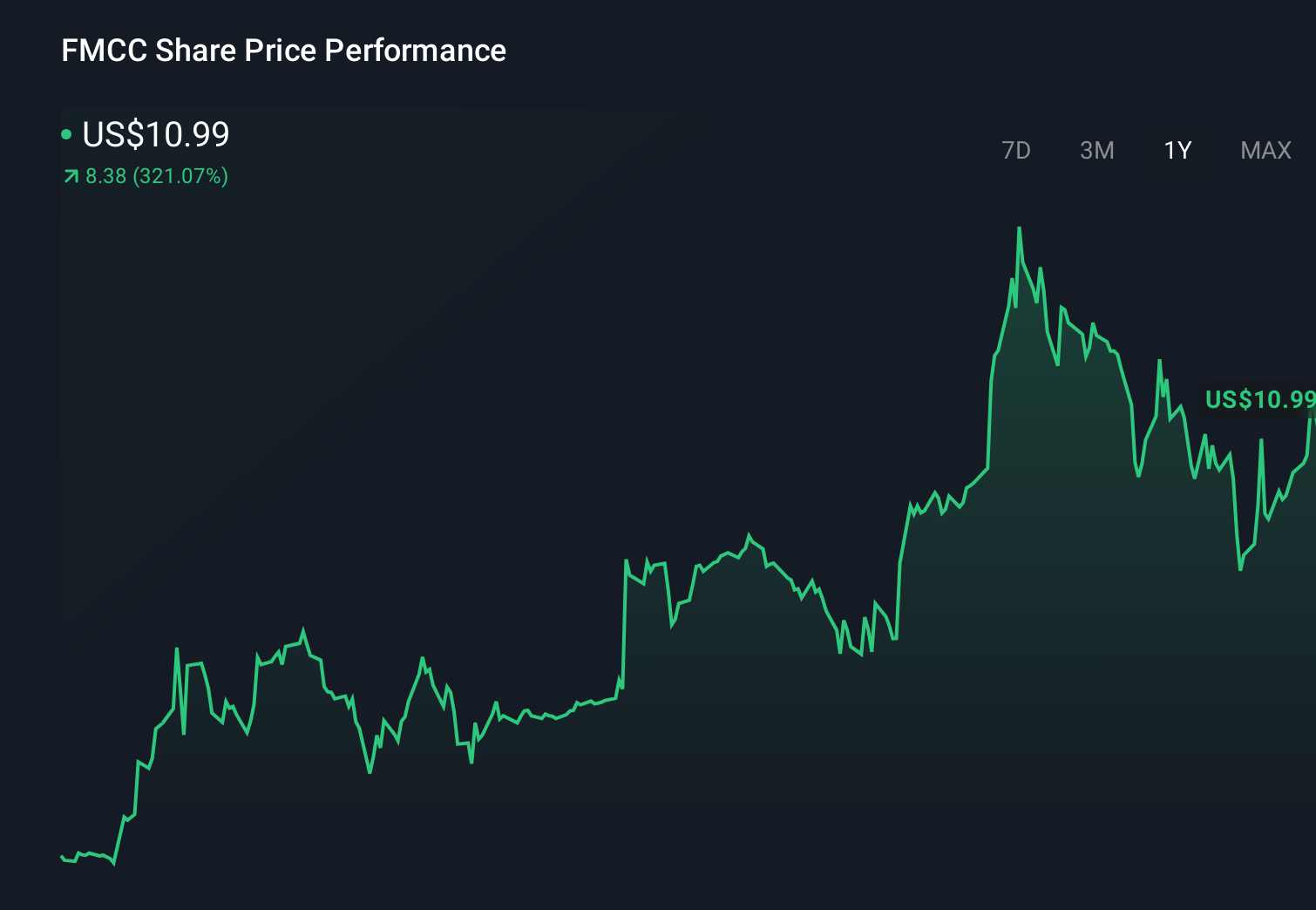
To own Freddie Mac, you need to believe in the durability of its role at the center of US housing finance, even as it works through unprofitable results, declining revenue expectations and an unsettled governance structure under conservatorship. Short term, the key catalysts remain any shift in regulatory stance, signs that new leadership can stabilize earnings, and how credit performance holds up. The new integrated Conventional Small product fits neatly into this story: it reinforces Freddie Mac’s focus on affordable workforce housing and may incrementally support fee income and capital efficiency, but it is unlikely to change the earnings outlook on its own, judging by recent share price volatility and the long-running profitability challenges. Instead, it marginally improves the operating toolkit at a time when execution quality and risk control matter most.
However, investors should not overlook how regulatory control and board turnover influence that execution.
Despite retreating, Federal Home Loan Mortgage’s shares might still be trading above their fair value and there could be some more downside. Discover how much.
Exploring Other Perspectives
Five fair value estimates from the Simply Wall St Community span roughly US$11.94 to US$164.24, underlining how far apart individual views can sit. Set against the company’s recent losses and expectations for revenue contraction, this spread highlights why examining both upside scenarios and the risk of prolonged unprofitability is important before forming your own view.
Explore 5 other fair value estimates on Federal Home Loan Mortgage – why the stock might be worth just $11.94!
Decide For Yourself
Disagree with this assessment? Extraordinary investment returns rarely come from following the herd, so go with your instincts.
Looking For Alternative Opportunities?
Right now could be the best entry point. These picks are fresh from our daily scans. Don’t delay:
This article by Simply Wall St is general in nature. We provide commentary based on historical data
and analyst forecasts only using an unbiased methodology and our articles are not intended to be financial advice. It does not constitute a recommendation to buy or sell any stock, and does not take account of your objectives, or your
financial situation. We aim to bring you long-term focused analysis driven by fundamental data.
Note that our analysis may not factor in the latest price-sensitive company announcements or qualitative material.
Simply Wall St has no position in any stocks mentioned.
New: AI Stock Screener & Alerts
Our new AI Stock Screener scans the market every day to uncover opportunities.
• Dividend Powerhouses (3%+ Yield)
• Undervalued Small Caps with Insider Buying
• High growth Tech and AI Companies
Or build your own from over 50 metrics.
Have feedback on this article? Concerned about the content? Get in touch with us directly. Alternatively, email editorial-team@simplywallst.com