
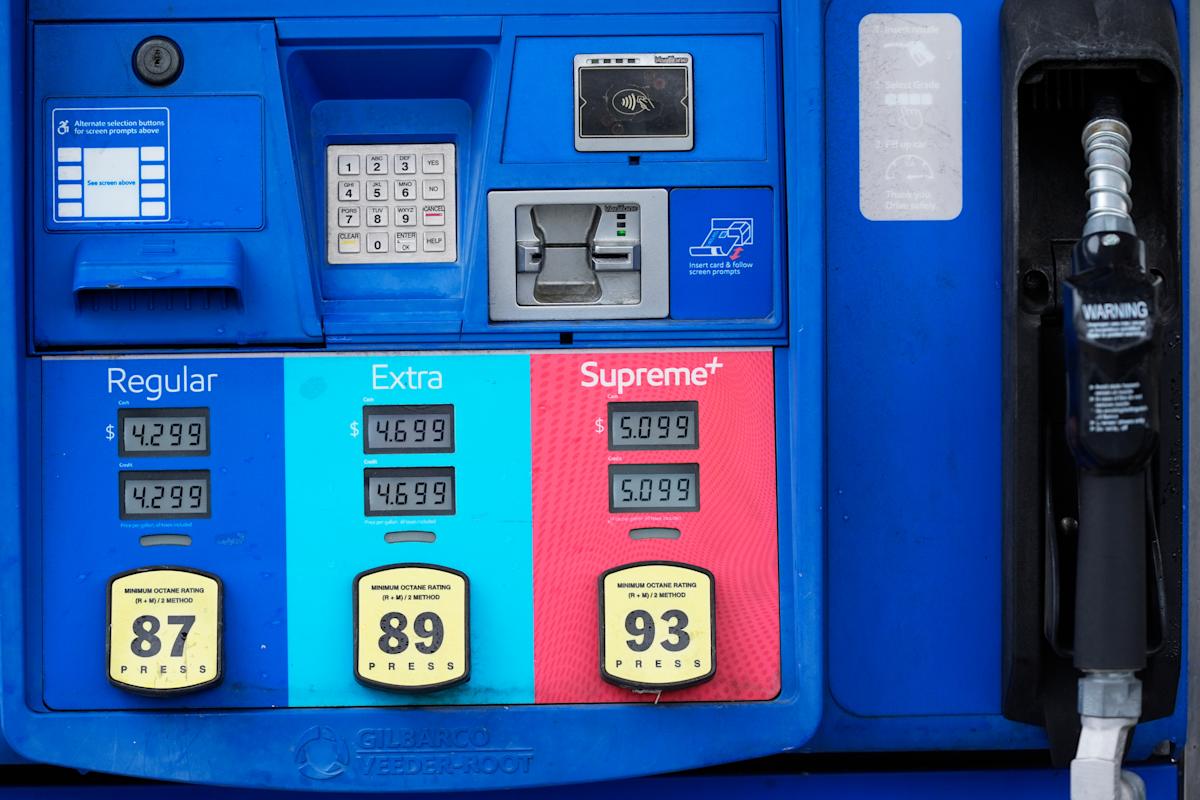
Gas prices were easing as oil markets reacted to a preliminary peace deal between the U.S. and Iran that included reopening the Strait of Hormuz.
The national average price of gasoline dropped below $4 per gallon for the first time since mid-April, with prices declining in 47 states last week, according to Patrick De Haan, head of petroleum analysis at GasBuddy.
De Haan noted that broader price volatility is likely to persist as oil reacts to developments in negotiations between the U.S. and Iran and their wider implications for global energy supplies.
“The real test now shifts to the Strait of Hormuz, where any reopening and resumption of normal oil flows would be the clearest signal that this relief is durable,” De Haan wrote. “For now, the national average could continue falling, provided there isn’t a drastic reversal and the U.S. and Iran continue moving in a positive direction.”
Lower oil prices could offer some relief to drivers, especially after May’s consumer price index rose 4.2% from a year earlier in the hottest annual reading since April 2023, according to the Bureau of Labor Statistics. Energy costs accounted for more than 60% of the increase from April, with energy prices jumping 3.9%.
As of Tuesday, the national average price for a regular gallon of gasoline was creeping back above $4, and the average cost of diesel is still over $5 per gallon.
Oil futures on Brent crude (BZ=F), the international benchmark, briefly dipped below $80 a barrel, hitting their lowest price since early March. Contracts on U.S. benchmark WTI crude (CL=F) dropped to below $80 per barrel.
So, what will it take for gas prices to fall?
A permanent reopening of the Strait of Hormuz would be needed to begin regulating volatility in the oil market. The U.S. and Iran have signed a preliminary agreement, but full terms haven’t been released. While President Trump said the Strait of Hormuz will reopen on Friday, senior U.S. officials briefing reporters said it could take over two weeks for shipping operations to return to normal, according to reports.
There have also been conflicting claims from Iran and the U.S. about whether the Strait will remain open without tolls long-term following the 60-day period for negotiations.
Experts say it will take time for consumers to feel the ripple effects. Changes in crude-oil prices can affect gas prices fairly quickly; however, the comedown from a gasoline price spike isn’t always immediate.
“Americans are going to pay billions more to get where they’re going this summer, and even after the Strait reopens, it could take a year or more for prices to fully recover,” GasBuddy’s De Haan wrote.
While oil prices are a key driver of what you pay at the pump, they don’t tell the whole story. Other factors, such as refining costs, disruptions in gasoline distribution, and retailers’ price markups, can slow the rate at which gas prices return to normal after a spike.
“There is a saying that pump prices rise like a rocket and fall like a feather, and that holds,” said David Doherty, head of natural resources research at BloombergNEF. “It takes about three weeks for crude price rises to be fully felt in the price of gasoline prices, and it can take as much time for them to decline as refiners face an uncertain landscape when it comes to the price of crude, their main ingredient.”
Read more: Best credit cards for gas
Measures are being taken to ease the burden of gas prices for Americans
Here at home, steps are being taken at the federal level to ease the financial burden of higher gas prices on everyday Americans.
This includes the government’s emergency EPA waivers, which allow nationwide sales of E15, gasoline blended with 15% ethanol, and the removal of all federal impediments to selling E10, gasoline blended with 10% ethanol, across the country. The EPA says this move will prevent disruption in America’s fuel supply by keeping E15 on the market and giving Americans more fuel options.
Additionally, in March, the Trump administration ordered the release of 172 million barrels of oil from the U.S. Strategic Petroleum Reserve (SPR) alongside the 32 member countries of the International Energy Agency, who unanimously agreed to release a total of 400 million barrels of oil from their emergency reserves to address the global disruption.
New federal data shows that oil inventories in the SPR have fallen below Biden-era lows, hovering around levels last seen in the early 1980s. According to the Department of Energy, another 8.9 million barrels of oil were released during the week ending June 12.
Read more: What’s the Strategic Petroleum Reserve, and can it help lower gas prices?
At the state level, some states are implementing fuel tax holidays to help residents trim their costs.
Read more: Trump backs gas tax holiday as pump prices rise. What drivers should know.
What you can do to protect your wallet now
There are several ways consumers can take matters into their own hands to save money on fuel.
-
Join fuel rewards programs: If you frequent a particular gas station, see if it offers a fuel rewards program you can join to start accruing rewards or earn a few cents off each gallon.
-
Comparison shop: Stopping at your nearest gas station may prove to be the most convenient option for gas, but it may not be the most cost-effective. Before you pump gas, shop around and compare stations to ensure you’re getting the best possible price.
-
Get a credit card with gas rewards: If you’re in the market for a new credit card, consider opting for one that offers cash back or points every time you fill up to help minimize the toll of elevated gas prices on your budget.
Read more: How a gas card can help you navigate high prices at the pump