
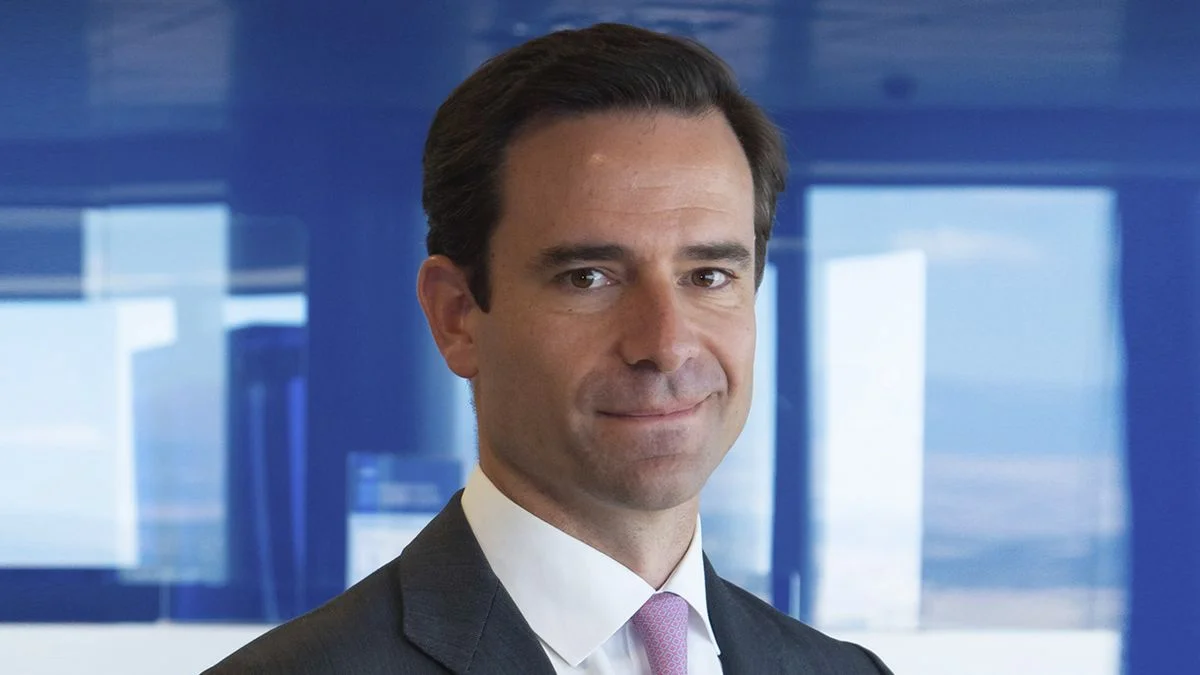
Jose Zarzalejos is sitting in his car. It’s early evening on an autumnal Tuesday in Madrid, and Zarzalejos – who’s just been promoted to run KPMG’s corporate finance business globally, is imminently heading home to his six children. He’s also explaining why working in corporate finance for the Big Four firm has helped facilitate this lifestyle.
Get Morning Coffee ☕ in your inbox. Sign up here.
“I’ve had the chance of jumping into an investment bank several times in my career,” says Zarzalejos, who’s spent five years at KPMG and a decade at PWC. “But I’ve valued my work-life balance too much. I do my job, but I’m a dad too.”
KPMG’s corporate finance team works with clients that have an enterprise value of between £50m ($67m) and £400m. Zarzalejos says the work is more human and less impersonal than dealing with the kinds of multibillion dollar clients that big banks work with. “Our clients are often family owned businesses,” he says. “It’s very rewarding, there’s a sense of adding real value and making an impact in mid-market transactions.”
If you’re working in the mid-market, Zarzalejos says it’s easier to take time out when necessary. “I go to schools to see my kids’ Christmas parties and my teams always know this is where I am. There can be tough moments, but I have a good family life and I encourage this. We don’t track hours, it’s about delivery.”
While banks can house large egos, Zarzalejos says KPMG embraces more communally-oriented team players. “We don’t need to have Lionel Messis or Cristiano Ronaldos in the team,” he says. “We’d rather have people with common sense and real pride in what they do.” At KPMG, clients belong to the firm rather than to individuals, he adds: “We’re strategically involved across many lines of service.”
As is appropriate to the head of the business, Zarzalejos himself is extremely proud of being at KPMG. In many cases, he says bankers at leading banks are working on the side of the deals he works on: “Historically, there’s been a notion that Big Four firms advise on less relevant transactions without the glamour of the deals done by big banks. But banks are often working for parties on the other side of the table, so that’s not strictly true. We have an impact, but we don’t boast about it – maybe we should!”
Focusing on the mid-market brings other advantages, too, though. Zarzalejos says there’s more stability. When the market turns down, it’s the $1bn deals that struggle: “The mid-market is more resilient and that gives you better visibility of your career and where you’re heading. Other organisations might slash thousands of people in a downturn; I’ve never seen this in our business.”
If this sounds good, and you want to work for Zarzalejos out of university, you should know that he’s a big fan of off-cycle internships, where people join for four to six months, typically during their last year at university. “It gives us more time to get to know them and they can see if the job is something they like and enjoy,” he says.
He’s not an advocate of the notion that AI will replace junior jobs. But Zarzalejos says AI will change things: “I tell my teams that AI won’t take your job; someone who knows who to use AI will.”
The daily schedule of Jose Zarzalejos:
6am: Wake up
6.45am: Gym
8.15am: Arrive in the office
7.30pm: Leave the office and spend time with the children. Check emails once they’re in bed.
Have a confidential story, tip, or comment you’d like to share? Contact: +44 7537 182250 (SMS, Whatsapp or voicemail). Telegram: @SarahButcher. Signal: sarahbutcher.22 Click here to fill in our anonymous form, or email editortips@efinancialcareers.com.
Bear with us if you leave a comment at the bottom of this article: comments are moderated intermittently by human beings. Sometimes these humans might be asleep, or away from their desks, so it may take a while for your comment to appear. You must take sole responsibility for comments you post on this site. We will take reasonable steps to weed out anything that we consider to be offensive or inappropriate.