
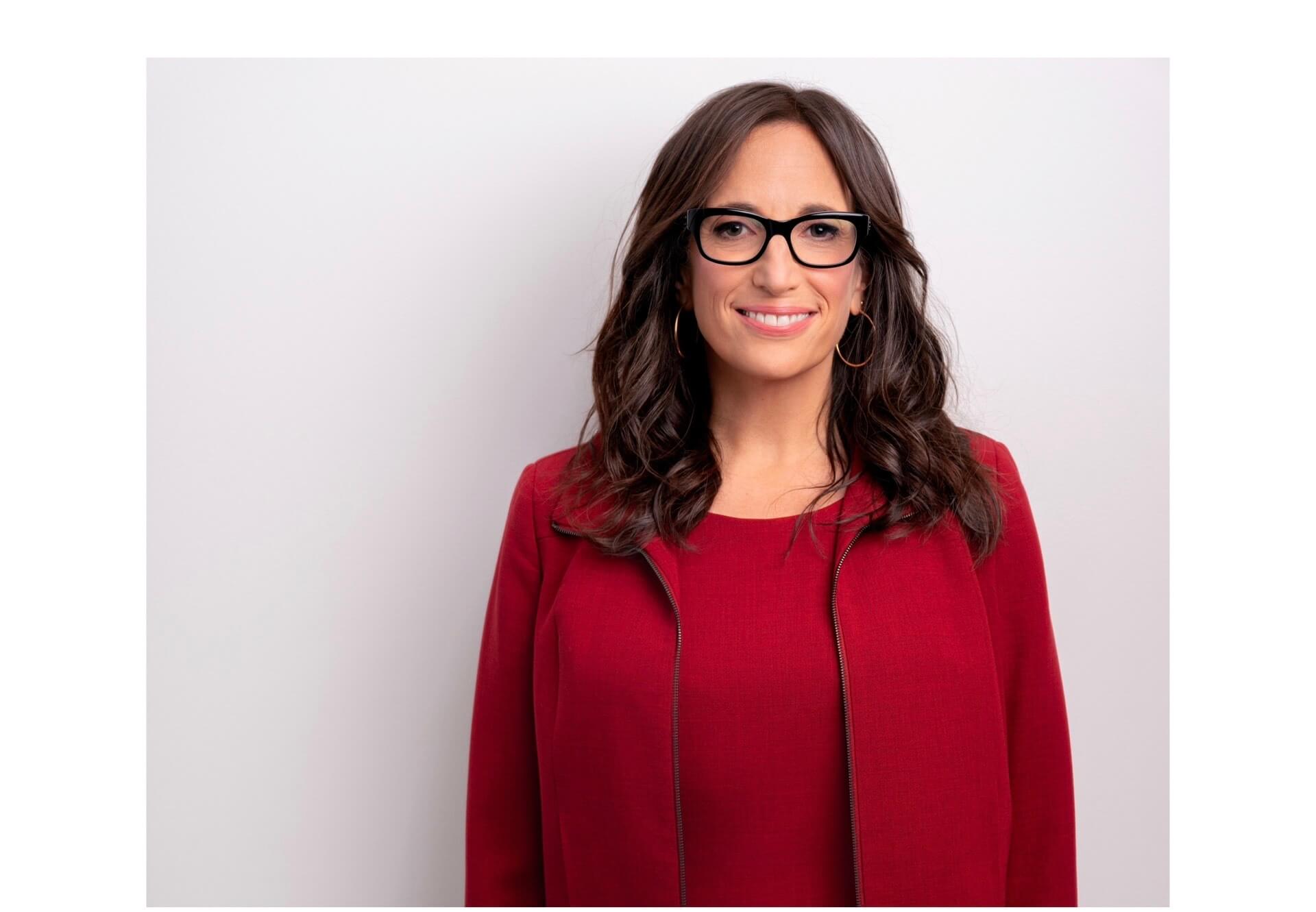
Beth Kobliner says the personal finance tips that worked in 1996 still work — no matter where you are in life.
When Beth Kobliner first published Get a Financial Life in 1996, publishers told her no one would buy it. “They’re having too much fun. They’re too young. They’re enjoying life,” she recalls them saying of her peers. Thirty years later, the book has helped half a million people get a handle on their money, and the fifth edition is out now, updated for a generation navigating a financial world that looks nothing like the one their parents came up in.
Here are the most important personal finance tips from her recent conversation with Jean Chatzky on the HerMoney podcast.
The Personal Finance Tips That Haven’t Changed Much
When it comes to the core personal finance tips that have worked over the last three decades, Kobliner is refreshingly straightforward. “In many ways, I can safely say that a lot of the fundamentals are very similar. The idea of maxing out your retirement plans, making sure to be well invested in the market, and reducing your expenses, all of those things that might sound tried and true and boring, are what have worked over the last thirty years.”
She’s seen plenty of trends come and go, but her position hasn’t wavered. “Even though there’s this concern like, ‘No, no, no, this time it’s worse,’ certainly over many, many decades, index funds, index ETFs have been the place to be.”
Taking Care of Yourself Is the Greatest Gift You Can Give Your Kids
For Gen X women who are bankrolling their adult children while neglecting their own retirement, Kobliner has a message: “You have to say, ‘I’m going to put myself first,’ because taking care of your own finances will help you and ultimately won’t be a burden on your kids.”
She goes further: “You have to prioritize yourself before trying to make your kid’s life even better. You gave them a lot as a parent, but you have to put yourself first because ultimately that will help your kids.”
The Financial Mistake Both Jean and Beth Wish They Hadn’t Made
Jean Chatzky reflects on her own biggest financial regret: “I should have started investing much sooner. I left too much money in cash for way too long and missed out on a lot of growth because of it.”
For Kobliner, it was procrastinating on automation. “One of the biggest mistakes was not signing up for everything automatically. I would go around saying, ‘Take 10% out of your paycheck and put it right into your savings account.’ And it took me a really long time before I actually signed up for it.”
But the good news, she says, is that it’s never too late to see results. “My most joy comes from when I meet someone in their 50s or 60s, and they say, ‘I have your book, and I was young, and I didn’t know what to do. I couldn’t afford it, but I forced myself to put in $100 a month, and now I have $400,000.’”
Her conclusion, after thirty years of watching people navigate their money? “Slow and steady may not sound sexy, but it does win the long-term financial race.”
MORE ON HERMONEY: