
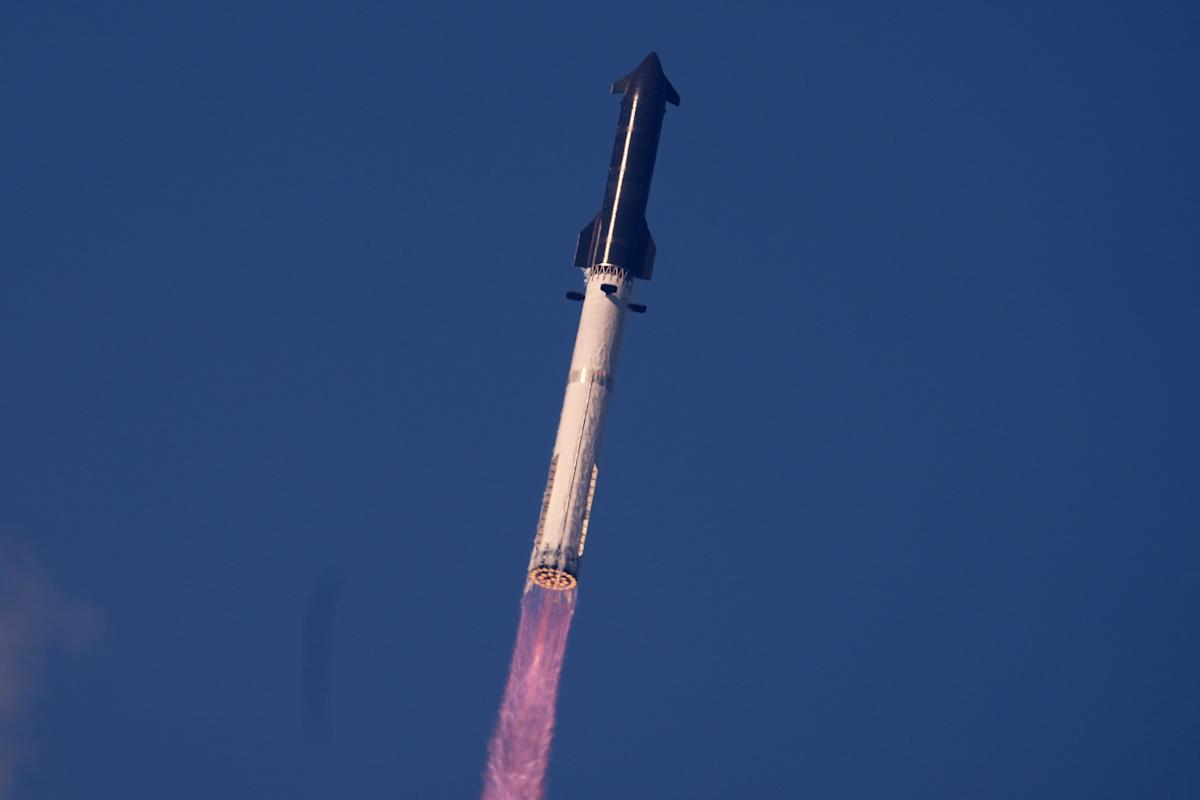
SpaceX (SPAX.PVT) may be a generational business. History says IPO day can still be a terrible entry point.
Across more than 9,000 operating-company initial public offerings from 1975 to 2021, 60% of returns finished flat or lower three years after the first close, while only 16% more than doubled. The average return was positive — but only because a small group of moonshots pulled it higher.

The data comes from Jay Ritter’s IPO research at the University of Florida, which tracks traditional companies going public — not SPACs, REITs, closed-end funds, or ADRs. In other words, this is closer to the IPO market most investors imagine when they hear about a big private company finally listing its stock.
That distinction is important because SpaceX is not arriving as a startup in search of Wall Street’s blessing. It is arriving — if and when it lists — after years of value creation in private markets, a pattern that has turned the IPO from Wall Street’s starting line into more of an exit ramp for early backers.

That does not mean public investors should avoid every hot IPO. It means they should stop treating the first trade as the only chance to get in.
Kathy Donnelly, co-author of “The Lifecycle Trade,” made a similar point in a Yahoo Finance webinar on IPO trading. One slide summed up the danger: Few IPOs make quick gains of 100% or more, and most undercut their first-day low within three weeks. Stocks that do jump fast often give the gains back.
That’s the better way to think about SpaceX. The company may be exceptional. The trade still has to prove itself after the opening-day rush.
Jared Blikre is the global markets and data editor for Yahoo Finance. Follow him on X at @SPYJared or email him at jaredblikre@yahooinc.com.
Click here for in-depth analysis of the latest stock market news and events moving stock prices
Read the latest financial and business news from Yahoo Finance