
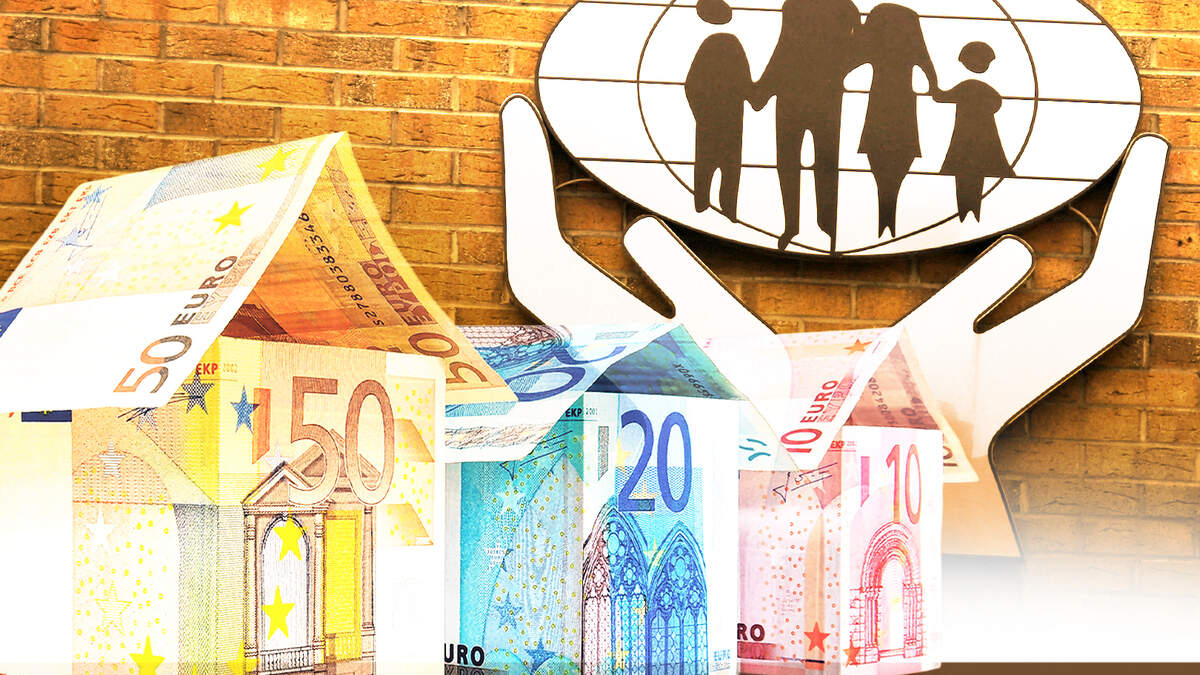
Credit unions have given a commitment to their members that they are not increasing interest rates on the sector’s mortgage offering.
It comes after the European Central Bank decided to hike its main lending rates in a move that will see tracker mortgage rates go up, with fears that variable and future fixed rates offered by banks and non-bank lenders will also rise.
Credit unions have been offering mortgages for around a decade, but last year a number of them got together to offer a standardised product.
The Capped Variable Rate Mortgage is now offered by 46 credit unions and is proving popular, the sector said.
Credit union mortgage lending is now close to €1bn in value.
Head of mortgage services for CU Mortgages Seamus Beirne said: “Credit unions are very aware of the cost-of-living pressures on households and will not be raising their capped variable mortgage rate.
European Central Bank raises interest rates for first time in three years
“Many householders will be facing back-to-school and other costs in the months ahead and they will be relieved to know their mortgage repayments will remain unchanged,” he said.
He said credit unions can decide not to increase mortgage rates because they are member-owned, member funded, and not focused on making profits but on offering members long term value and support.
Available from a nationwide panel of participating credit unions, the credit union mortgage is Ireland’s first capped variable-rate.
Set at 3.85pc, this rate also features an interest rate cap meaning the rate is guaranteed not to rise beyond 4.40pc for the first three years.
Meanwhile, managing director of leading mortgage broker Finance Solutions, Conor McGowan, said the move by the ECB to hike rates will mean an increase in monthly repayments for tracker mortgage borrowers.
Mr McGowan said variable-rate customers could also see higher monthly costs if lenders pass on the increase.
“There is no indication yet as to whether lenders will absorb this rate increase or adjust the rates available to borrowers albeit some non-bank lenders did already increase rates this year.”
He said that if the ECB rate rise is passed on, for a €350,000 mortgage over 30 years, a 0.25 of a per centage point rate rise would add approximately €50 per month to repayments.
Over a full year, that equates to roughly €600 in additional repayments.
“It’s important to say, there are some very competitive fixed rate options currently available in the market from as low as 3pc, for periods of three years to the full lifetime of the mortgage.”
Mr McGowan said average mortgage rates are still low in historic terms with the average new mortgage rate in Ireland at 3.50pc.
Daragh Cassidy of mortgage broker Bonkers.ie said non-credit union borrowers on fixed-rate mortgages are protected for now, as their repayments won’t change until their fixed term expires.
What does the ECB rate hike mean for your monthly mortgage payment — and is now the time to switch?
However, lenders may increase their fixed rates for new customers in the coming weeks, particularly if the ECB raises rates again at its next meeting in July, he said.
“In recent weeks, some of the smaller non-bank mortgage providers have already increased their rates.”
Mr Cassidy said these lenders are more sensitive to changes in wholesale funding costs, as they rely more heavily on financial markets to fund their mortgage lending.
Some economists fear their could be two more ECB rate rises in the next 12 months.