
This week’s batch of calls for public engagement includes two surveys about trees and shrubs, as well as an opportunity to give input on art along the Valley Line Southeast LRT.
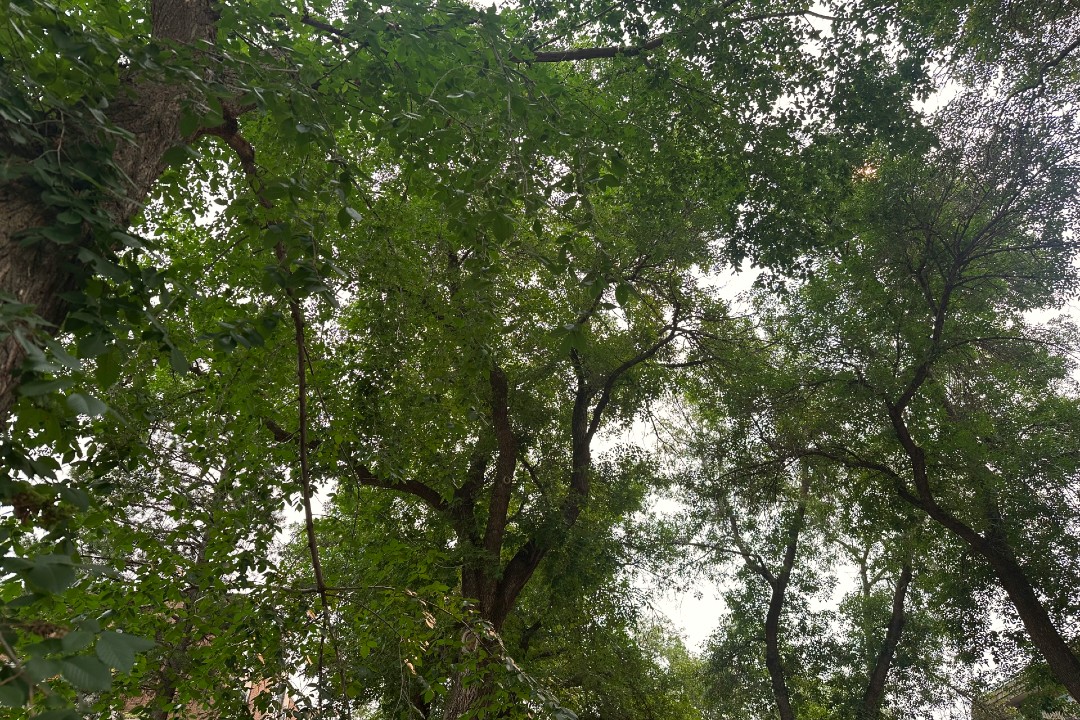
The City of Edmonton is gathering feedback until Aug. 4 for a new 10-year Urban Forest Management Plan, which will guide the management of all trees, shrubs, and vegetation within city limits, including on private and public property.
The survey asks how the city can support Edmontonians in growing the tree canopy on private land and stewarding the urban forest. To help reach its goal of growing the urban tree canopy from 13% to 20% by the year 2071, the city said it will plant 900 trees on public land every year.
The survey asks how much time you spend in the urban forest and what activities you do. It asks what should be prioritized, listing things such as aesthetics and beauty, climate benefits, recreation, and cultural practices.
It also asks about naturalization, which is the process of transforming manicured landscaping such as medians, boulevards, and utility corridors into something more reflective of the natural region. The city said it will naturalize 40 hectares of land each year to help reach its tree canopy goal.
At the same time, the city is running a survey about landscaping on private property — specifically, resilient landscaping that is better able to withstand extreme weather like heat, droughts, and floods, while supporting local wildlife. That survey is open until Aug. 5.
“While publicly-owned lands like parks and natural areas help the city to adapt to our changing climate conditions, private lands also play a critical role in these efforts,” the survey preamble says. “Landscaping on private property, for example, adds shade for cooling, helps prevent flooding, and cleans Edmonton’s air, making properties, neighbourhoods, and the city more comfortable and livable.”
The zoning bylaw says existing trees and shrubs should be preserved unless it’s necessary to remove them for a proposed development. It also requires that most residential lots have a certain number of trees based on their width. If a developer keeps a mature tree on the property, it can reduce the number of new trees it must plant on the property; preserving one mature tree can count as the equivalent of up to three new trees toward the property’s minimum planting requirement, depending on the maturity of the tree.
The city survey lays out possible new options to protect mature trees on private property, including charging a fee or requiring a permit to remove a mature tree, with the revenue funding city-wide tree planting.
Some councillors and many Edmontonians have called for a private tree protection bylaw, but administration has repeatedly recommended against one. A city report from February said a private tree bylaw would be complex and costly and could burden homeowners and infill builders. The city noted there are site constraints in redeveloping neighbourhoods, as well as tensions between tree retention targets and densification goals.
In May, city council approved amendments to the zoning bylaw that added smaller buildings to the landscape securities program, which administration has put forward as one alternative to a private tree protection bylaw.