
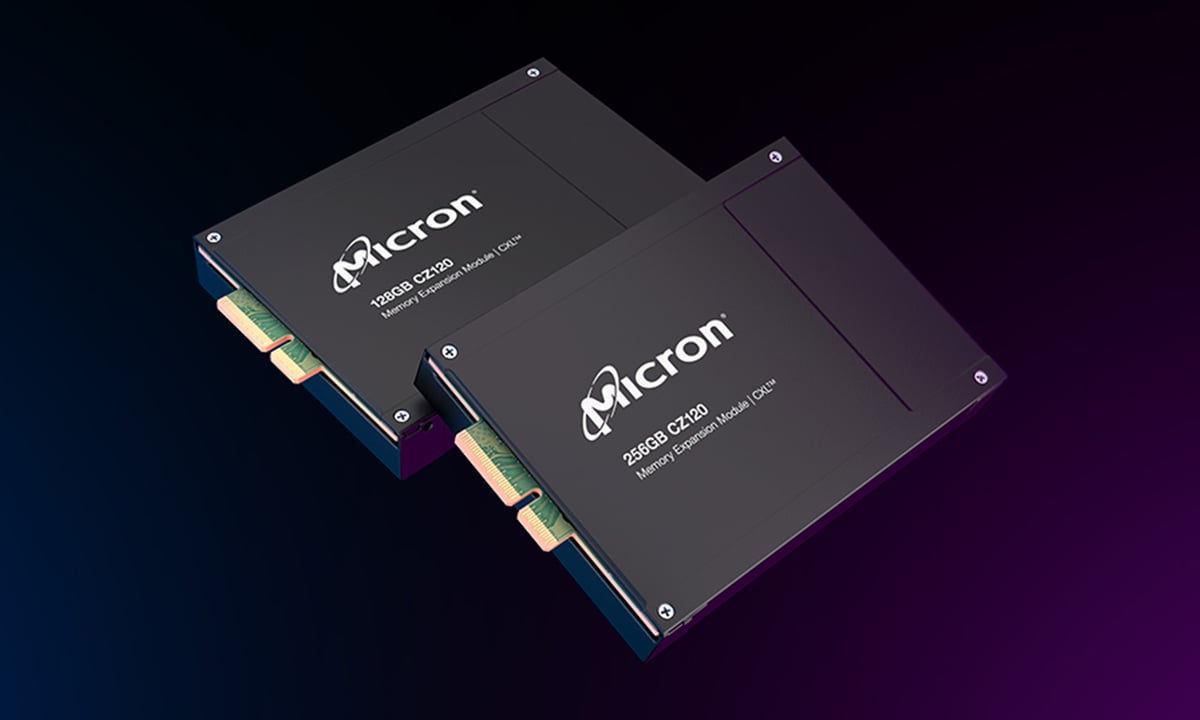
Micron Technology (MU 1.23%) has delivered one of the most explosive rallies of 2026, with share prices surging nearly 150%. What began as a classic memory-cycle recovery has evolved into something more unique: A structural re-rating driven by artificial intelligence’s (AI’s) appetite for high-speed memory.
The question smart investors are asking is not whether Micron’s ascent was justified, but whether it can continue. Below, I’ll explore two forces that could propel the stock higher even after the obvious AI infrastructure tailwinds are priced in.
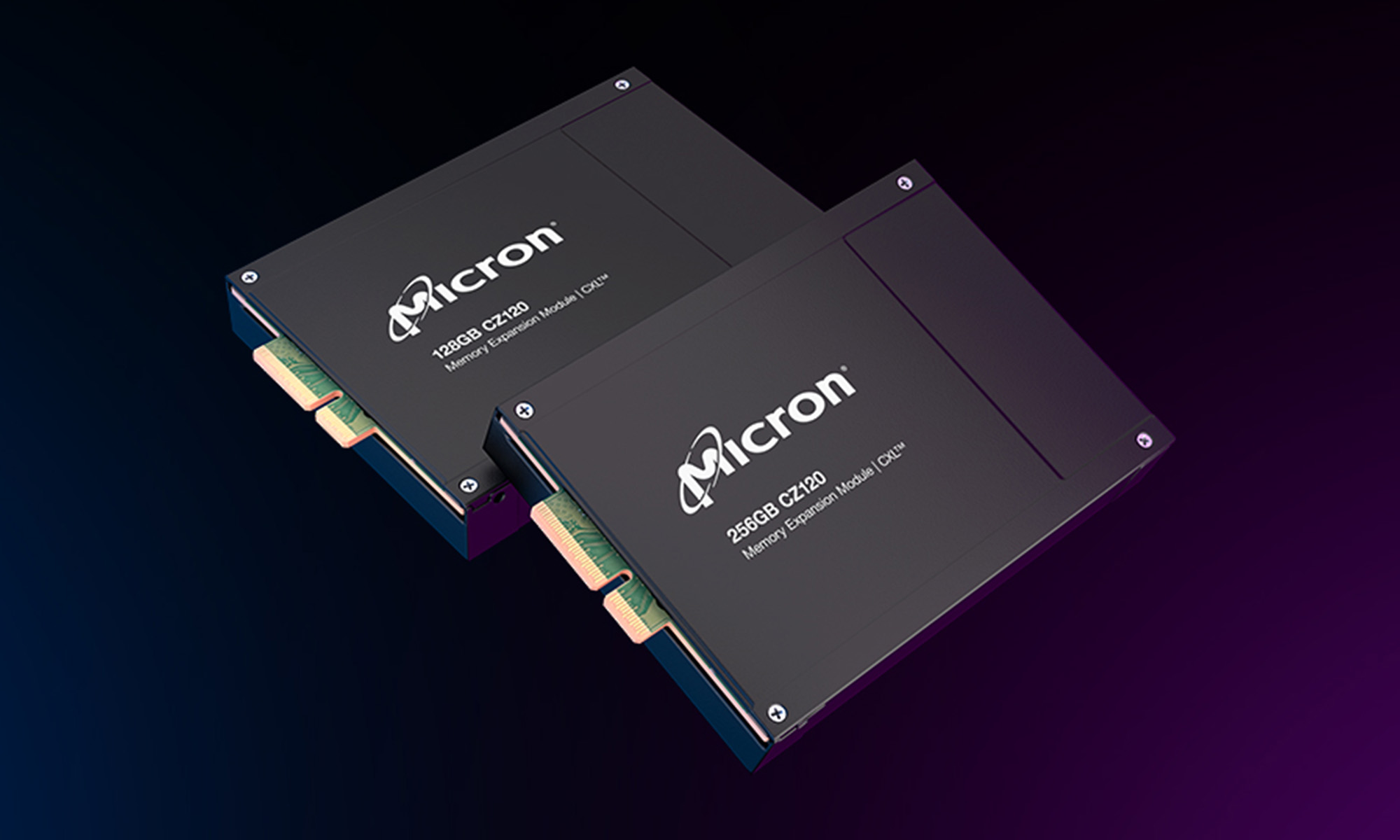
Image source: Micron Technology.
What is driving the current surge in Micron stock?
The main catalyst fueling the stock is explosive demand from hyperscalers for high-bandwidth memory (HBM) and advanced DRAM from AI data centers. Companies like Microsoft, Alphabet, Amazon, and Meta Platforms are building out GPU clusters that consume every available byte of HBM that Micron can produce on its chips. This is no exaggeration: Micron’s entire 2026 HBM capacity is sold out under long-term, fixed-price contracts.
This scarcity gives the company pricing power in a market historically plagued by oversupply. According to data compiled by TrendForce, DRAM prices are rising between 58% and 63%, while NAND flash prices are climbing even more dramatically, by 70% to 75% in recent months.
As the market increasingly recognizes that memory is no longer a commodity input but rather a crucial bottleneck in the AI chip value chain, I would expect Micron stock to sustain its rally.
Two tailwinds that Wall Street could be overlooking
I see two quieter advantages that could fuel Micron stock beyond the headline HBM narrative.
One of the lesser-discussed concerns in AI build-outs is supply chain security amid geopolitical friction. American hyperscalers and government-linked AI projects prefer domestic or allied suppliers for crucial components. While this positioning is not quantified in most Wall Street models, Micron’s status as the only U.S.-based manufacturer of advanced DRAM and HBM could become increasingly valuable throughout the AI infrastructure era.
This role could translate into more preferred supplier contracts, incremental CHIPS Act support, as well as insulation from Asia-centric risks — advantages that are poised to compound over time as developers move away from concentrated foreign supply.

Today’s Change
(-1.23%) $-9.34
Current Price
$752.76
Key Data Points
Market Cap
$847B
Day’s Range
$747.20 – $780.16
52wk Range
$92.22 – $818.67
Volume
1.3M
Avg Vol
45.4M
Gross Margin
58.54%
Dividend Yield
0.07%
In addition, Micron is quietly expanding its total addressable market (TAM) beyond big tech’s training clusters into AI inference, edge computing, and consumer devices. AI-native PCs and smartphones, robotics, wearable hardware, and autonomous vehicles all require substantial memory density and bandwidth.
These end markets offer a counterbalance to the lumpy capital expenditure trends of cloud service providers. NAND-based solid-state drives (SSDs) are also gaining relevance for AI storage and inference workloads — a segment many investors are still treating as secondary. Taken together, these trends diversify Micron’s revenue base, help reduce cyclicality, and create a broader ecosystem for the next leg of AI infrastructure growth.
With HBM and DRAM supply tightness persisting in combination with these two underappreciated secular tailwinds gaining momentum, Micron stock still has meaningful upside for patient investors willing to look past the obvious AI themes. In my eyes, the memory supercycle is not ending; it is about to enter its most durable phase.
Adam Spatacco has positions in Alphabet, Amazon, Meta Platforms, and Microsoft. The Motley Fool has positions in and recommends Alphabet, Amazon, Meta Platforms, Micron Technology, and Microsoft. The Motley Fool has a disclosure policy.