
More than 1.5 million properties are branded as too risky for a standard mortgage by high street lenders, new research suggests.
Failure to fit traditional loans criteria means this huge number of homes, which represents 6% of the total, are said to be ‘unmortgageable’, according to specialist lender Together.
Application rejected
Thatched cottages, high rise apartments, homes too close to commercial premises or without workable kitchens or bathrooms, may all be considered unmortgageable by banks’ automated processes.
Together’s research found that more than one in five buyers – at 21% – already had a mortgage application rejected, while almost a third – at 32% – found themselves navigating a greatly reduced pool of lenders willing to consider their case.
Potential obstacle
But many buyers were undaunted by the potential obstacle and do carry on with a purchase.
Almost a third – at 31% – were looking for a renovation or restoration project, while 28% saw an opportunity to add value and sell on the property later for profit.
More than a quarter – at 28%- of buyers cite the lower purchase price as the biggest attraction, rising to 32% for those purchasing the property as their main residence.
Another incentive is the rental income potential for these properties, with 35% purchasing homes as a buy-to-let investment.
A significant number of homes are effectively out of reach for ordinary buyers.”
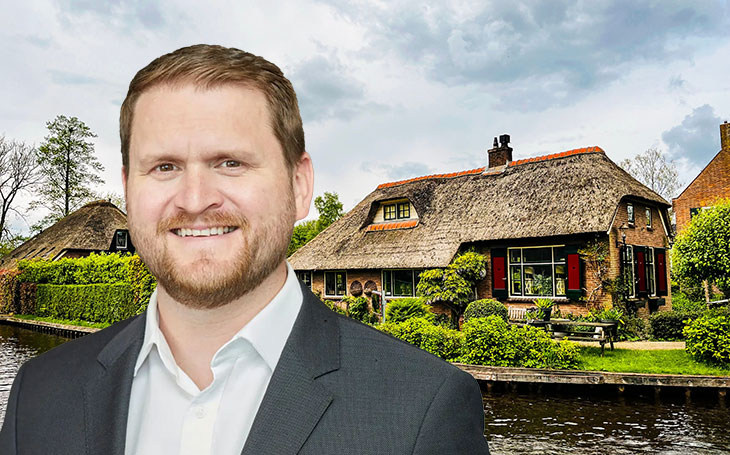
Ryan Etchells, Chief Commercial Officer at Together (pictured), says: “One of the less visible challenges facing the UK property market is the sheer number of properties that mainstream lenders are reluctant to finance.
“That means a significant number of homes are effectively out of reach for ordinary buyers. While they don’t feature in official housing shortage figures, they represent part of the wider supply problem and highlight the scale of investment needed to bring more homes back into the ‘mortgageable’ market.”