

On August 27, 2026, Japan’s Financial Services Agency announced increased scrutiny over ultra-long-term housing loans, particularly those offered by internet banks, as the real estate market heats up. This news is particularly relevant for SBI Shinsei Bank SBI, which is among the lenders offering these loans.
- With a dividend yield of 6.6% and a payout ratio that suggests sustainability, SBI’s dividend appears attractive despite the scrutiny over housing loans.
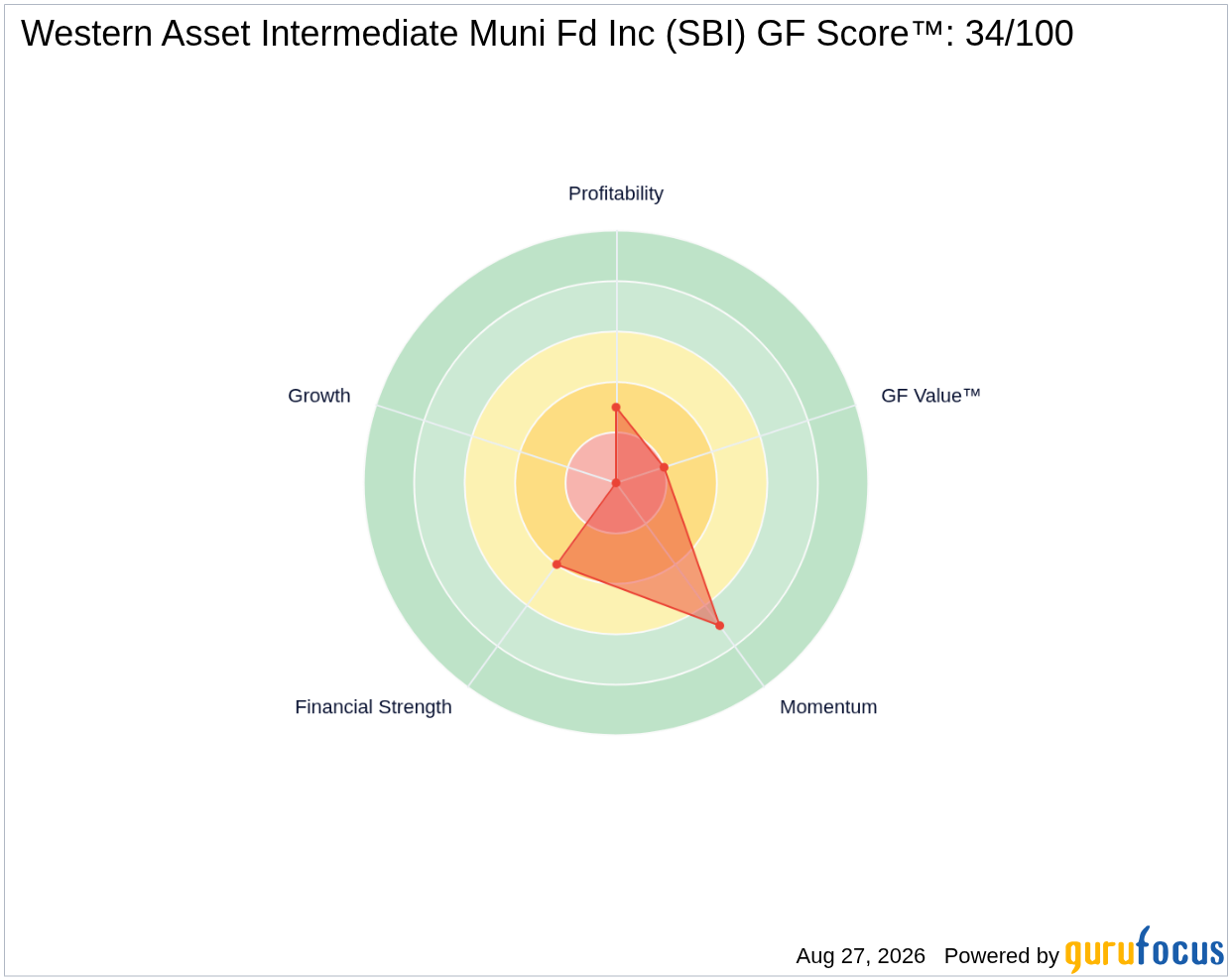
- GF Score™: 34/100, indicating moderate performance across various financial metrics.
- SBI’s P/E ratio stands at 12.49, significantly lower than its 5-year median of 33.04, suggesting potential undervaluation.
What’s Behind the News?
The Financial Services Agency’s decision to enhance monitoring of ultra-long-term housing loans comes as a response to rising concerns about the stability of the real estate market in Japan. These loans, which can extend up to 50 years, have become increasingly popular among young borrowers seeking lower monthly payments. However, an anonymous official has raised alarms about the potential risks associated with rising interest rates and declining borrower incomes, which could jeopardize repayment capabilities.
SBI Shinsei Bank, a key player in the financial services sector, is one of the institutions offering these extended loan products. With a market capitalization of approximately $107.31 million, SBI operates primarily in the asset management industry, focusing on providing diversified investment solutions. The bank’s involvement in ultra-long-term housing loans places it at the center of this evolving financial landscape.
Is SBI’s Dividend Safe and Attractive?
SBI offers a dividend yield of 6.6%, which is appealing in the current market environment. The sustainability of this dividend is supported by its relatively low payout ratio, indicating that the bank is able to maintain its dividend payments without excessively straining its financial resources. Furthermore, the absence of recent insider selling activity suggests confidence in the bank’s financial health and its ability to continue providing returns to shareholders.
When evaluating SBI’s valuation through the lens of GF Value™, the stock is currently priced at $7.62. Given the GF Value™ assessment, which indicates that the stock cannot be evaluated for a specific value, investors should consider the current price in relation to its historical performance and the overall market conditions. The stock’s current price reflects a significant discount compared to its historical P/E ratio of 33.04, suggesting that it may be undervalued in the context of its dividend yield and overall financial stability. For more insights, visit the GF Value™ page.
What Does SBI’s GF Score™ Tell Us?
The GF Score™ is a comprehensive measure that evaluates a company’s financial strength, profitability, growth potential, valuation, and momentum. SBI’s GF Score™ of 34/100 reflects a mixed performance across these categories, with notable strengths in momentum but weaknesses in growth and valuation. Below is a summary of SBI’s scores:
| Metric | Rating |
|---|---|
| GF Score™ | 34 |
| Financial Strength | 4/10 |
| Profitability | 3/10 |
| Valuation | 2/10 |
| Momentum | 7/10 |
SBI’s strengths lie in its momentum, indicating positive trends in its stock performance, while its weaknesses are evident in its growth and valuation metrics, suggesting that the bank may need to focus on enhancing its growth strategies and improving its valuation metrics to attract more investors. For further details, visit the SBI stock page.
What Are Gurus and Insiders Doing with SBI?
Currently, there is no reported activity from gurus regarding SBI, as there are no records of guru ownership or changes in positions. Additionally, there has been no insider buying or selling activity in the past three months, which may indicate a stable outlook from those closest to the company.
What This Means for Investors
In conclusion, SBI presents an attractive dividend opportunity with a solid yield and a sustainable payout ratio, despite the potential risks associated with the scrutiny over ultra-long-term housing loans. The current valuation metrics suggest that the stock may be undervalued, making it a point of interest for income-focused investors. For more detailed analysis, visit the SBI stock page.
Frequently Asked Questions
What is SBI’s GF Score™?
SBI’s GF Score™ is 34/100, indicating a moderate performance across various financial metrics, with strengths in momentum but weaknesses in growth and valuation.
Is SBI’s dividend safe?
Yes, SBI’s dividend appears safe with a yield of 6.6% and a payout ratio that suggests sustainability, indicating the bank can maintain its dividend payments.
What is SBI’s P/E ratio compared to historical?
SBI’s current P/E ratio is 12.49, significantly lower than its 5-year median of 33.04, suggesting that the stock may be undervalued compared to its historical performance.
This stock alert was generated using automated technology and GuruFocus financial data to provide readers with timely and accurate market reporting. This content was reviewed by GuruFocus editorial team prior to publication. Please send any questions or comments about this story to [email protected].