
Ultimately, Brexit was never just about economics. It was about sovereignty. Leave voters were prepared to take an economic hit if it meant taking back control. But how bad has that hit been really? I’ve been looking at the figures, and Brexit isn’t remotely as catastrophic as Remainers pretend. But rejoining would be.
Yes, the UK economy has struggled since 2016, but Europe isn’t exactly booming. Since the referendum, Britain’s economy has grown by 12.4%. Germany managed just 6%, while Italy grew 9.7%. France only just beat us at 12.7%. If Brexit was the financial apocalypse we were told, Britain should be dramatically trailing all three. We’re clearly not. Covid, the Ukraine energy shock and chancellor Rachel Reeves have inflicted far more damage than Brexit ever did.
Remainers say we were mad to loosen ties with our biggest trading partner. But the EU is a shrinking force. In 2016, it accounted for 17% of global GDP. Today that’s down to 13% and falling fast. Hitch Britain permanently to that and we shrink with it.
By contrast, the US has surged ahead through technology and flexible labour markets. Asia’s emerging economies have grown even faster. Yet Brussels has smothered European countries with bureaucracy and red tape. The EU has regulated growth to death.
Remainers also claim Brexit devastated British exports to Europe. Let’s do another fact check. In 2016 Britain exported £249billion of goods to the EU. In 2025, we exported £385billion. Last year’s number looks bigger to me. Where exactly is this collapse?
Britain has also signed trade agreements with Australia, New Zealand, Japan and Singapore, while joining the Comprehensive and Progressive Agreement for Trans-Pacific Partnership. None of those countries gets to dictate our laws in return, let alone punish us for failing to comply. The bossy EU does.
If Britain ever fully rejoined the EU, it would be on worse terms. Margaret Thatcher’s hard-won rebate would almost certainly disappear. Contributions to Brussels would soar.
We’d also be pressed to join the euro. Scrapping the pound and handing control of interest rates to the European Central Bank would be madness. The euro trapped wildly different economies inside the same monetary straitjacket. The result has been stagnation, debt crises and chronically weak growth. We got a taste of that on Black Wednesday in September 1992, during the ERM disaster. Never again.
Right now, Europe is on the brink of an industrial crisis, as struggling Chinese firms dump surplus goods onto European markets at rock-bottom prices. The EU already runs a €350billion annual trade deficit with Beijing. Next year it could hit €500billion. China is wiping out Europe’s industrial base, while EU bureaucrats watch helplessly.
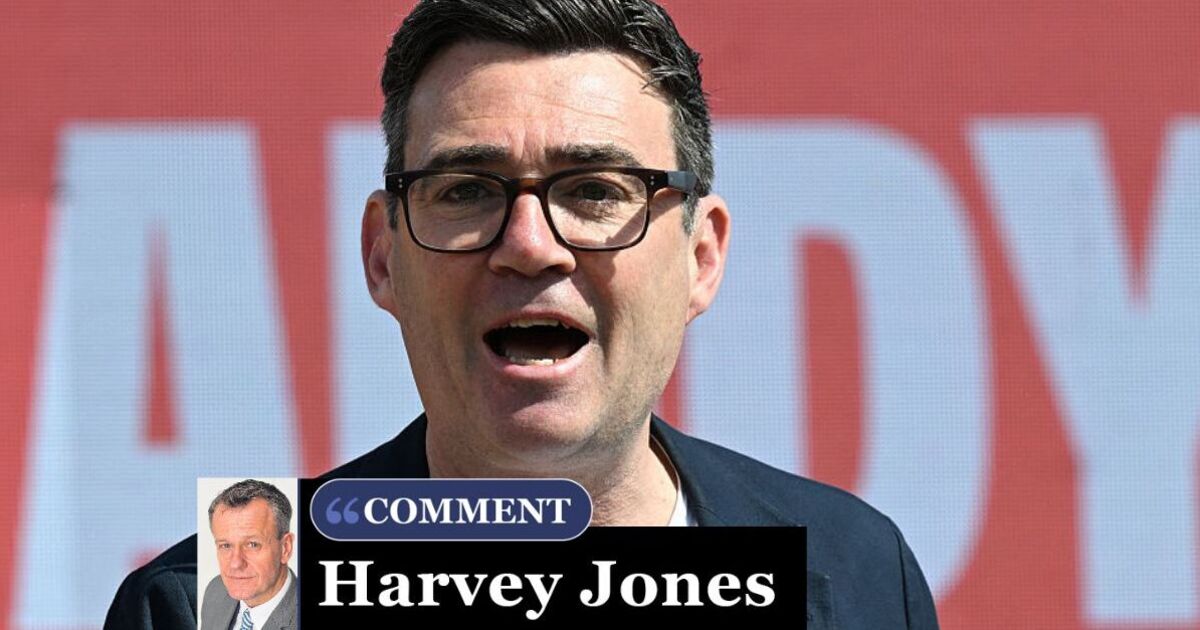
Brexit was never going to be painless. The bill is now behind us. The benefits are there for the taking. Britain has huge growth opportunities in artificial intelligence, nuclear fusion and gene editing. Rejoining the EU would strangle them in red tape. Andy Burnham would be mad to reverse Brexit if he becomes PM. Like all Remainers, he’s dreaming of a confident, booming, liberal Europe that no longer exists. Britain has more than enough problems of its own. And we need to be the ones to solve them.