
ERIE, Pa. — Finances can be intimidating for college students making their start in the adult world.
The Sokolov-Miller Family Financial and Life Skills Center at University Park is a one-stop help center: Its staff offers financial workshops, webinars and one-on-one coaching sessions that help Penn State students better understand personal finance.
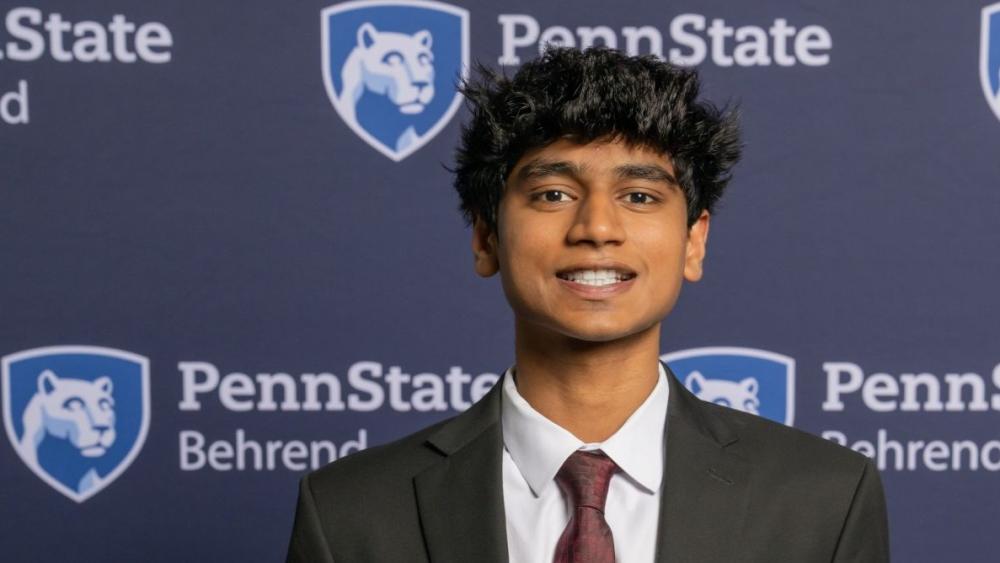
This year, the Sokolov-Miller center expanded its services to Penn State Behrend. Abhirath Baiju, a junior in the college’s finance and business economics programs, served as a financial literacy ambassador. He had an office — and a lending library, with free financial resources — in the Career Services suite, in the Reed Union Building.
In a Q&A below, Baiju talks about how students view financial topics — and where they most often make mistakes.
Q: What is your role as a financial literacy ambassador?
Baiju: I promote financial wellness by helping students learn about budgeting, saving, investing and other key money-management topics. I give presentations, share resources from the Sokolov-Miller Center, support projects that help students build better financial habits and do outreach across the college to raise awareness about financial resources.
Q: What challenges do students face, in terms of financial management?
Baiju: Many students struggle with managing their money due to limited income, lack of budgeting experience, impulse spending and not fully understanding credit, loans or savings. It’s also easy to overlook small daily expenses, which can add up over time.
Q: Are students paying attention to these topics?
Baiju: Many students don’t focus on money management until problems come up, like running out of money or taking on debt. They often put off learning about budgeting or saving because it doesn’t feel urgent. That can lead to overspending, and to financial trouble they don’t see coming.
Q: What are the best steps a student can take to set themselves up for financial success?
Baiju: Students can use the free resources offered by the Sokolov-Miller Center to learn about financial topics. It’s important to address financial problems promptly and to work toward solutions, rather than ignoring the issue. I coach students to learn from mistakes, and to stay consistent by regularly acquiring and applying good money habits.
Q: Most undergraduate students have limited resources, since they aren’t working full-time. What steps can they take?
Baiju: They can start by building a budget to track income and expenses, creating an emergency fund for unexpected costs and understanding any debt they have while learning how to manage it responsibly. Students also can start saving by putting their money in a high-yield savings account to earn more interest. That will help them grow their savings over time.