
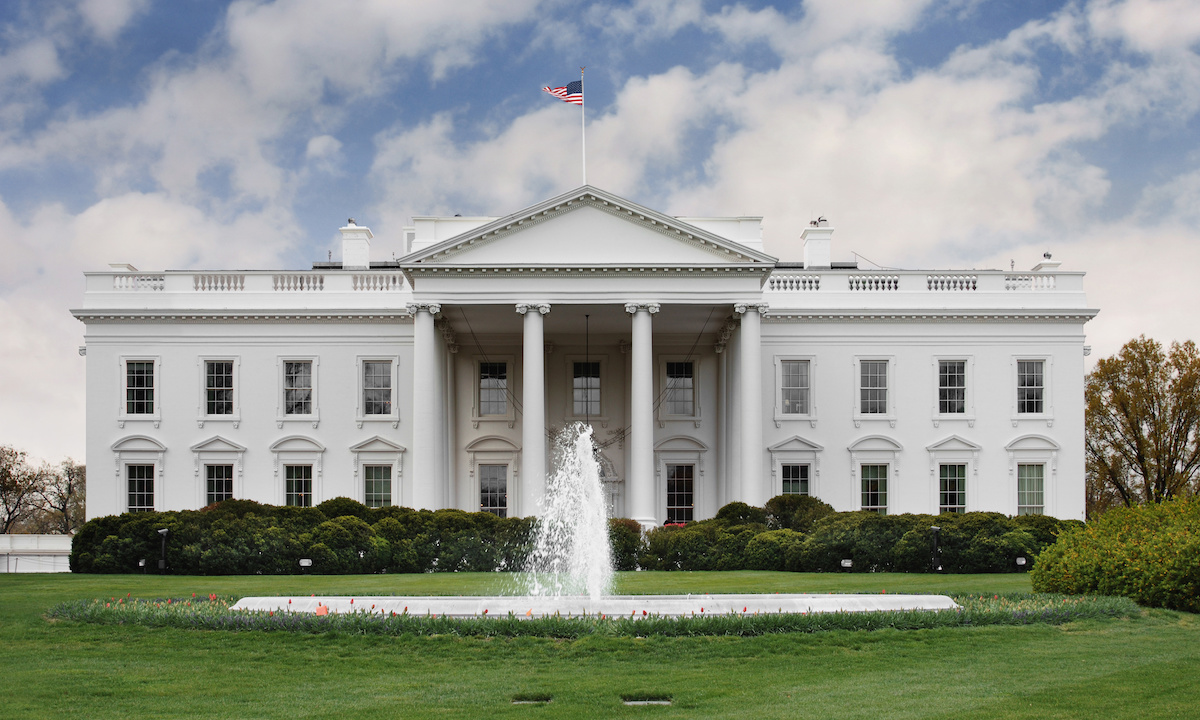
The White House reportedly wants to speak with law enforcement organizations on their objection to new cryptocurrency legislation.
That’s according to a report Monday (June 29) from CoinDesk, citing a source briefed on the plan, which is aimed to address opposition related to the bill’s protections against illicit finance.
At issue is a section of the Digital Asset Market Clarity Act’s section known as the Blockchain Regulatory Certainty Act. It is designed to make sure that software developers who don’t plan to ultimately control the tools they’re enabling can’t legally be considered “money transmitters” — considered a critical protection for developers building decentralized finance (DeFi) projects.
According to the report, groups like the National Sheriffs Association have raised significant concerns with the language of the bill, while other law enforcement officials voiced support.
“No good reason supports giving mixers, tumblers, and DeFi a blanket exemption,” the sheriffs’ group said in a letter last month to the Senate Banking Committee. “While some software developers are not engaged in money transmitting or other activity that should subject them to BSA regulation, plenty of others are.”
Meanwhile, industry groups like the Blockchain Association contend that the bill introduces new avenues for pursuing bad actors.
The report also cited comments at an industry-hosted event earlier this month by White House crypto adviser Patrick Witt, who said that law enforcement officials “should be the biggest cheerleaders for this bill, because this is really what is missing.”
Meanwhile, the Clarity Act’s political opponents like Sen. Elizabeth Warren—ranking Democrat on the Banking Committee—have criticized the legislation’s illicit-finance language, pointing to crypto’s use by criminal organizations, CoinDesk added.
In related news, a report last week by Semafor said that senators remain divided on several issues related to the cryptocurrency legislation, as time grows short to reach a deal.
Among the issues are potential restrictions on President Donald Trump’s ability to profit from digital assets, how to fill seats at the Securities and Exchange Commission (SEC) and the Commodity Futures Trading Commission (CFTC), how to govern stablecoin yields, and how to deal with illicit finance.
Senators interviewed by Semafor presented varying views on the likelihood of a deal being struck on the crypto bill. Supporters hope to reach a bipartisan agreement on the legislation before the midterm elections, which will sap momentum for legislative priorities, the report said.