
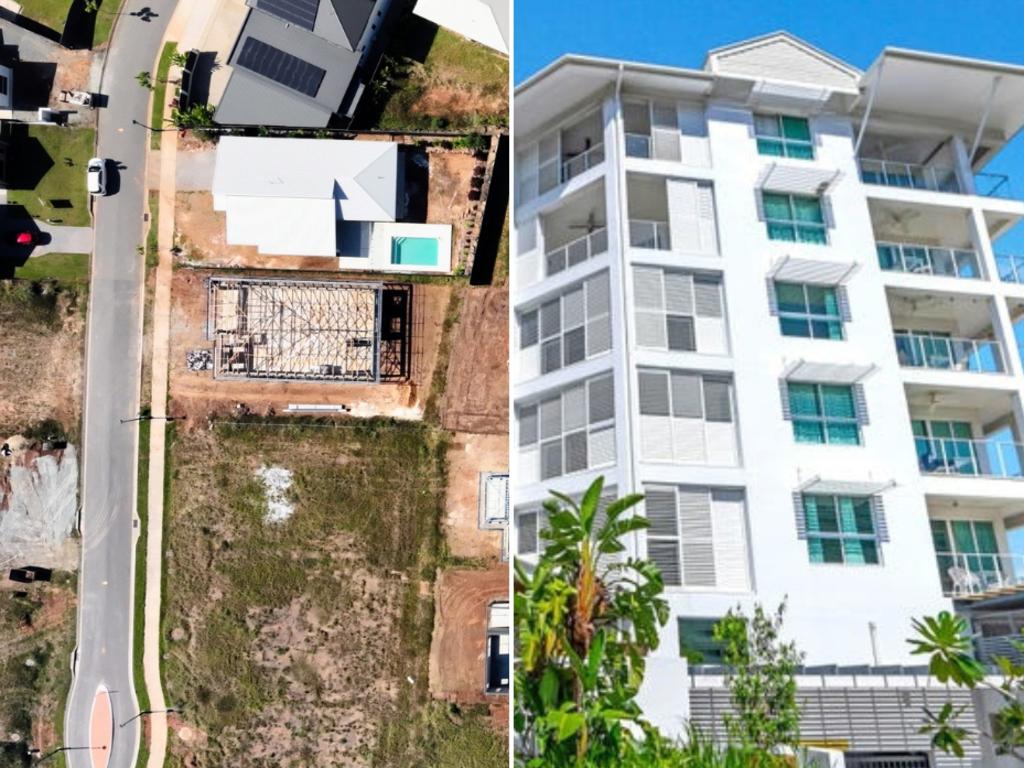

Cairns real estate is on the rise
A staggering 90 per cent of the Far North property market is still growing, with established family suburbs banking $60,000-plus quarterly gains as Cairns defies the southern real estate freeze.
PropTrack valuation data for the June quarter mapped a sharp reality check for sellers in the state’s southeast. Across Greater Brisbane, 22.3 per cent of suburbs plunged into negative growth, wiping more than $100,000 off some premium markets.
But an exclusive localised breakdown reveals the Far North market is tracking in the opposite direction.
1 Wildsoet St, Wongaling Beach sold for $640,000
Of the 71 house and unit markets surveyed across the Cairns statistical region, 64 recorded positive growth over the past three months.
Established family suburbs in the Cairns basin led the charge.
Freshwater houses surged by 7.39 per cent over the quarter, adding $66,899 to hit a new median of $972,005.
Neighbouring Caravonica saw an even steeper percentage increase, jumping 8.15 per cent (up $62,381) to reach $827,408.
Further south on the Cassowary Coast, buyer demand for established stock remained equally fierce, with Wongaling Beach houses jumping 7.62 per cent (up $60,177) to an $850,311 median.
59 Impey St, Caravonica sold for $905,000
That growth is rippling across the region’s premium corridors, with houses in Trinity Beach adding $52,085 (up 5.98 per cent) and Redlynch banking $51,303 (up 5.94 per cent) in just three months.
Only a fraction of the local market — seven out of 71 suburbs — experienced the cooling elsewhere across the nation, with falls mostly isolated to the unit market and the Douglas Shire.
Craiglie houses recorded the region’s largest quarterly drop, losing 2.56 per cent (down $22,787) to a median of $867,391.
It was followed by a 2.31 per cent dip for units in Cairns City (down $17,549) and a 1.88 per cent drop for units in the tourist mecca of Palm Cove (down $13,087).
Real Estate Institute of Queensland CEO Antonia Mercorella. Picture: Richard Walker
Real Estate Institute of Queensland (REIQ) CEO Antonia Mercorella said a wave of interstate migration continued to act as a shield for regional Queensland.
She said New South Wales has been bleeding residents straight to Queensland, accounting for 60.3 per cent of the state’s net interstate migration gain.
In 2025 alone, Queensland gained 16,528 people from interstate while New South Wales lost 21,465 residents.
Ms Mercorella said the figures reflected a massive vote of confidence in the local economy and lifestyle, adding that when you look at the sheer volume of people moving, “it’s clear which way the cockroaches are scurrying.”
Queensland’s unique combination of a chronic supply shortfall, sustained demand pressures, and the long-term runway to the 2032 Olympics suggested the state’s broader property sector was “plateauing rather than plummeting,” Ms Mercorella said.
48/199-201 Lake St, Cairns North sold for $460,000
MORE NEWS
Tammy Hembrow sells $6m mansion that witnessed it all
Aus’ reverse mortgage capital revealed
Qld house sales plunge almost 40pc
Discover Buyers Agency principal Kane Dury agreed, noting diverse local economies were bolstering regional growth.
“Higher interest rates and the new investor tax settings have knocked confidence in the big cities, but they haven’t changed the fundamentals in the regions with too many people chasing too few homes,” Mr Dury said.
But the forward outlook remained volatile. Leading property valuers Herron Todd White (HTW) warned recently passed Federal Government tax reforms, stripping negative gearing benefits from established property purchases, had caused widespread industry panic.
HTW CEO Peter Maloney said 78 per cent of surveyed property professionals expected residential values to decline over the next two years as investors left the market, signaling the Far North’s resilience could be put to the test.