
Instead of a 15% tax rebate for fiscal 2027, supervisors instead approved a 15% personal property tax reduction, from $2.43-per-$100 assessed down to $2.07.
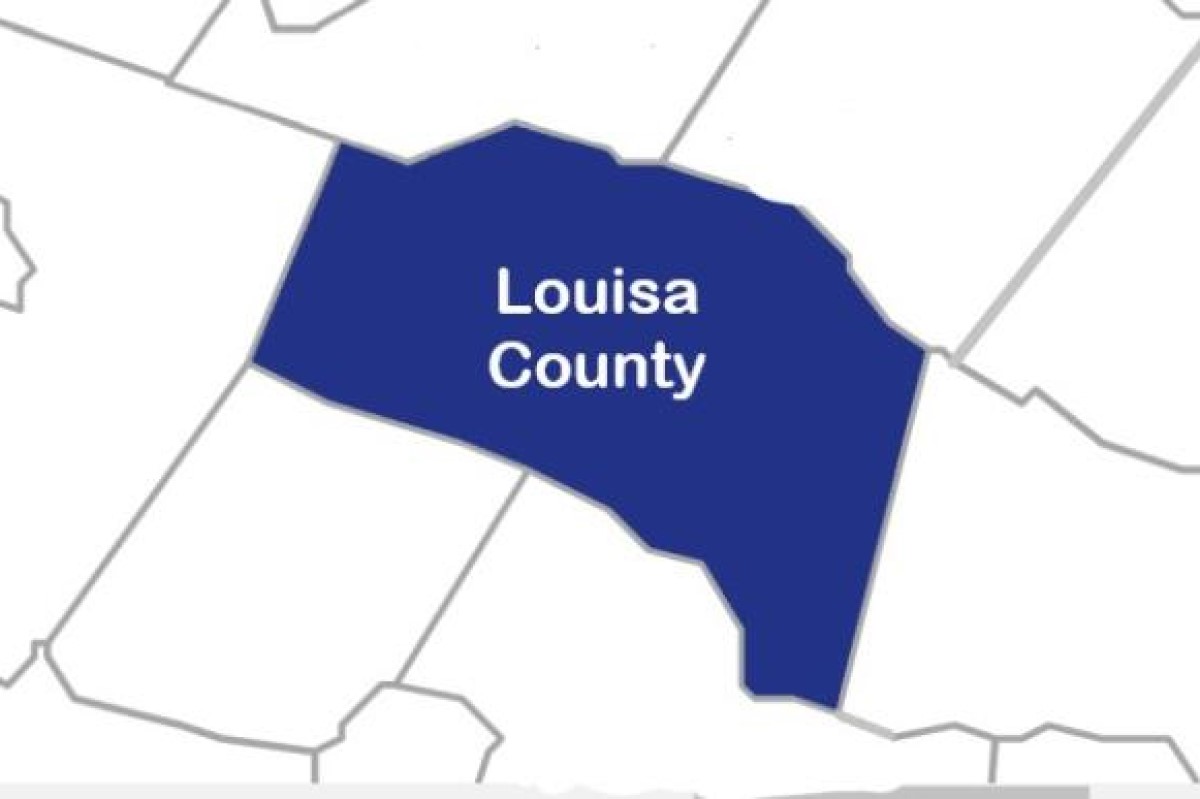
CHARLOTTESVILLE, VA (CVILLE RIGHT NOW) – The Louisa County Board of Supervisors did one better for tax relief than an advertised rebate by approving a 15% personal property tax rate reduction as part of a series of unanimous votes Tuesday approving a $201 million 2027 budget plan.
“We’re not in a good financial position, we’re in a great financial position,” said Jackson Supervisor Toni Williams.
“I’ve only heard one locality talk about a tax rate reduction,” said Patrick Henry Supervisor Fitzgerald Barnes, “Only one. I think it’s phenomenal, I really do, that the board can work to do that.”
Williams noted, “Thirty million dollars in CIP (Capital Improvement Program) this year we paid in cash.”
“My estimation is we had 60% of the cost of our elementary school which is going to come in two years already sitting in the bank,” he said.
Instead of a 15% tax rebate for fiscal 2027, supervisors instead approved a 15% personal property tax reduction, from $2.43-per-$100 assessed down to $2.07.
“A rebate is not something that does not necessarily carry through from year-to-year, a rate change does unless the board takes action to raise it back up,” Williams said.
A county release about the tax reduction said, “This tax reduction is the result of careful planning and long-term efforts to broaden the County’s revenue base. While the data centers currently under construction in Louisa County are not yet operational, the County has begun to realize early revenue associated with these projects, and that revenue has played a major role in making this reduction possible.”
Williams embraced every bit of that saying, “We’ve been protracting data centers intentionally, the citizens should see something for that, this is just the beginning of what I hope we’ll be able to share and do for the citizens.”
He knows data centers are a hot-button issue, “I hear stuff data centers, data centers, data centers. We were intentional. We went after data centers.”
“‘What about the electricity’, well, that’s not my problem, and that’s not real popular to say, is it,” Williams said. “But you know what, if we don’t get it here, Goochland’s going to take it, Hanover’s going to take it, someone else is going to take it and they’re still going to have to provide electricity to them.”
“Our problems are looking out for our citizens, and, yes, during construction this is difficult but it’s not going to be under construction forever,” Williams said.
He compares it to the process that led to the construction of the Lake Anna nuclear power station in the late ’60s and early ’70s.
“We’re going to look back at a time from now and we’re going to be grateful it’s here, and the numbers are staggering if the General Assembly doesn’t screw this up,” Williams said. “The tax revenue we have from the current campuses of data centers will be more potentially than the operational budget of the entire county right now. … We were intentional, we did this and I will wear this like a badge of honor, I will not let people beat me up over it.”
Williams said they intend on making sure that these data centers “counts towards the taxes that individuals in this county have to pay”.
As of early this year, three data centers are approved, in planning, or under construction in Louisa County.
Amazon, which is building two of the three current Louisa projects, floated a proposal for the county’s fourth, their third, at the beginning of 2025 but pulled the proposal in July in the face of increased community opposition.
Board Chair and Mineral Supervisor Duane Adams, who supported the three current projects and expressed concerns about that fourth, echoed what Williams said about the revenue already projected this year.
“This board and the previous board has been very active in getting what I believe is smart economic development in this county that will help us shift the tax burden from the homeowners and the personal property tax to the business that invests here,” he said.
While the current revenue leads to this personal property tax reduction, Adams said, “It is my hope as that revenue continues to come in, we can couple that with real estate rebates.”
“I will never support a real estate tax reduction because we can’t separate residents from commercial. We can rebate residents while the commercial development continues to pay the full rate.”
The BOS release said, “To ensure responsible growth, no additional data center projects will be allowed without a Conditional Use Permit. All current projects are located in an industrially zoned area or include requirements like substantial buffers to minimize impacts once construction is complete.”
The Board encourages residents to help shape how these future funds should be used by participating in the “Revenue Committee Survey”