
A new proposal from Greater Grove Hall Main Streets and Boston-based architectural firm Payette offers a strategy for building affordable homes using a combination of city-owned land, modular housing and land use reforms.
As Greater Grove Hall Main Streets executive director Ed Gaskin explains in CommonWealth Beacon, the plan hinges on the use of 1,200 vacant properties owned by the city of Boston, including at least 158 “sliver lots” typically smaller than 3,000 square feet, identified as suitable for infill housing. “Individually, these lots are often dismissed as too small or irregular to attract private development. Collectively, they represent a significant public asset that has largely been excluded from the city’s housing strategy.”
According to Gaskin, the city has identified around 530 parcels suitable for housing that could translate into 1,500 or more housing units. The Urban Starter Homes proposal “treats these parcels not as leftovers, but as the foundation of a replicable model housing system.” The proposal calls for a long-term ground lease from the city that would allow residents to own the homes themselves without paying the land value.
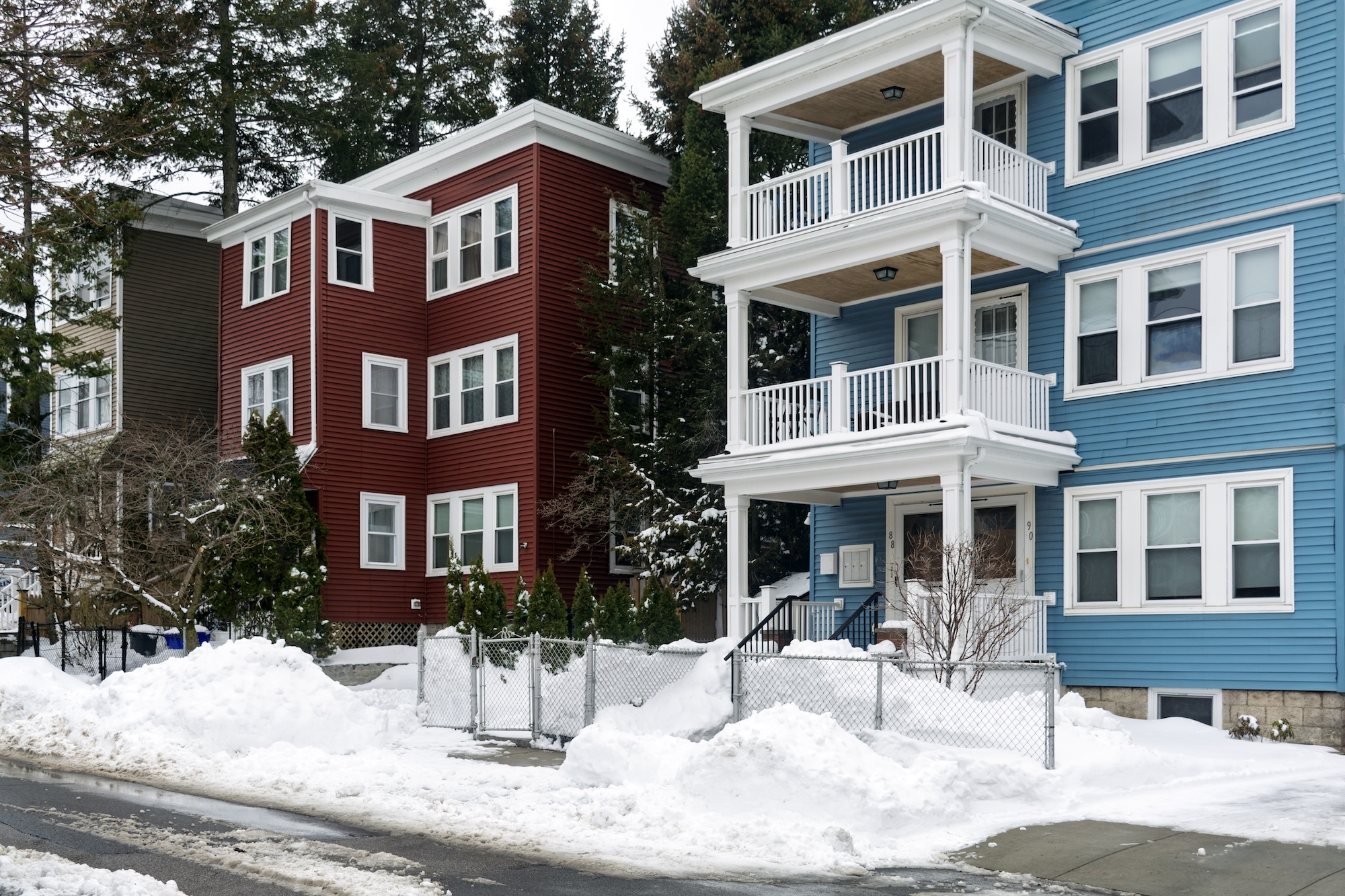
The plan suggests building triple-deckers, a housing type common in Massachusetts, that could make efficient use of these small lots. And by using modular housing materials, the projects could significantly cut down on costs and the time they take to build.
Gaskin argues that the plan is “far closer than traditional affordable housing models to a market-based solution—one where the public sector sets the conditions by retaining land, and the private market does what it does best: builds, finances and delivers housing at scale.”