
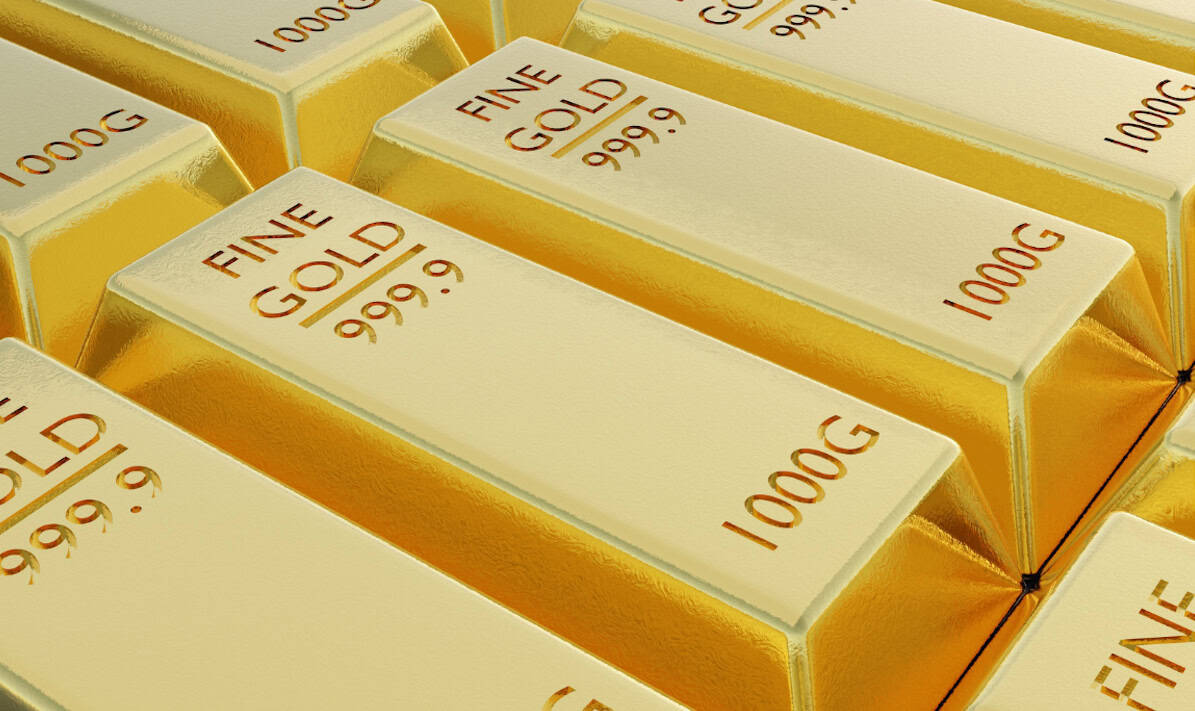
Gold continues to do what it has done for the better part of two years: grind higher with occasional sharp pullbacks. The metal has pushed SPDR Gold Trust (NYSEARCA:GLD | GLD Price Prediction) up about 4% year to date and roughly 37% over the past 12 months, even after a 5% pullback over the last month. For investors trying to add gold exposure to a portfolio, the right vehicle depends less on a view of where bullion goes next and more on how much volatility, cost, and equity risk you are willing to absorb to get there.
Three funds cover the trade at three distinct risk levels. GLD is the institutional-grade physical vehicle. SPDR Gold MiniShares Trust (NYSEARCA:GLDM) holds the same bullion at a lower ongoing cost. VanEck Gold Miners ETF (NYSEARCA:GDX) trades the bar for the operating companies that pull metal out of the ground, swapping pure spot exposure for operational leverage in both directions.
Why Gold Is Working in 2026
The macro backdrop explains a lot of the move. Core PCE, the Fed’s preferred inflation gauge, sits at the 91st percentile of its 12-month range, and headline CPI is similarly elevated at 332.4. The 10-year Treasury yield is around 4.6%, which historically would be a headwind for a non-yielding asset, but real yields net of sticky inflation are far less punishing than the nominal print suggests. Add in a softer dollar narrative across major bank outlooks for 2026 and central bank gold buying that has not let up, and bullion has had a reason to bid.
That sets up the question every gold buyer faces. You can own the metal directly, own it cheaper, or own the companies that produce it. Each path has a tradeoff.
GLD: The Default for Size and Liquidity
GLD is the fund institutions reach for when they need gold exposure today, in size, without slippage. The trust is physically backed by bullion held in vaults, and each share represents a fractional claim on that metal. Shares change hands at around $414, with tight bid-ask spreads and the deepest options market of any gold ETF. For a trader rotating into or out of the trade on a Fed decision or a geopolitical headline, that liquidity is worth paying for.
The portfolio is uncomplicated: gold bars, custodied by HSBC in London. There are no miners, no futures roll, no leverage. What you see on the spot tape is what you get in your account, minus the expense ratio. GLD’s annual fee is higher than GLDM’s, which is the entire reason GLDM exists. For a buy-and-hold investor that gap compounds over a decade and pushes most retail money toward the cheaper sibling.
The tradeoff with GLD is straightforward. You get the cleanest spot proxy and the best execution, but you pay more in fees than you need to if you are holding for years rather than weeks. It is also still a non-yielding asset, so the opportunity cost against a 4.6% Treasury is real if gold goes sideways.
GLDM: The Same Bullion, Cheaper to Hold
GLDM is the long-term holder’s version of the same trade. It is also physically backed gold, sponsored by State Street and the World Gold Council, and its expense ratio is meaningfully lower than GLD’s, one of the lowest in the physical-gold category. Shares trade at roughly $89, a fraction of GLD’s per-share notional, which makes it easier to size positions in smaller accounts and to dollar-cost average.
Performance has tracked GLD almost tick for tick, as it should: same metal, same custodian structure, different cost layer. GLDM is up about 5% year to date and 37% over the past year, fractionally ahead of GLD on both windows, which is exactly the cost-ratio differential showing up in returns.
The tradeoff is liquidity. GLDM trades plenty of volume for an individual investor, but the options market is thinner and institutional block trades can move it more than they would move GLD. If you are not trading options or moving nine-figure positions, that does not matter. For everyone else holding gold as a strategic allocation, GLDM is the more sensible chassis.
GDX: Operational Leverage, in Both Directions
GDX is a different animal. The fund holds equities of large gold miners, names like Newmont, Barrick, and Agnico Eagle, and that changes the math considerably. Miners have largely fixed costs to pull metal out of the ground, so when the gold price rises above their all-in sustaining cost, the incremental dollar drops almost entirely to margin. That is operational leverage, and over the past year it has worked.
GDX is up roughly 74% over the trailing 12 months, roughly double GLD’s return on the same window. Over 10 years, the gap is even wider: 317% for the miners against 253% for bullion. That is the upside when gold is in an established uptrend and producers are not hedging their output away.
The other side of leverage shows up just as quickly. GDX is down about 1% year to date while GLD is in the green, and the fund fell 10% in the past month alone against GLD’s 5% drawdown. Miners also carry equity-specific risks that bullion does not: labor disputes, jurisdictional risk in places like Mali or Burkina Faso, cost inflation in diesel and steel, and management decisions about hedging and capital allocation. The VIX is currently calm at almost 17, but it spiked to 31 in late March, and miners felt that move more than bullion did.
The tradeoff is the cleanest of the three: you accept equity volatility and company risk in exchange for amplified exposure to the gold price. That is a feature in a rally and a bug in a correction.
Which One Fits Which Investor
The choice maps to time horizon and risk tolerance more than to a view on gold itself. A trader or institution sizing a tactical position around a Fed meeting or a geopolitical event will want GLD for its liquidity and options depth. A retirement-account investor adding a strategic 5% to 10% gold allocation for the next decade is better served by GLDM, where the lower expense ratio quietly compounds in their favor.
GDX is the satellite position. It belongs in the portfolio of an investor who already owns physical gold exposure and wants a smaller, higher-beta sleeve to capture upside if the bullion trend continues. Sizing it like bullion is a mistake, because it will not behave like bullion when the metal pulls back. Used as a complement rather than a substitute, the miners give you the operational leverage that physical gold structurally cannot.