
IEA flags readiness for further oil releases as war deepens supply shock.
Summary:
- IEA signals readiness for further oil reserve releases
- Record 400m barrel release already deployed
- Additional supply could be mobilised if shock worsens
- War driving worst-ever global energy disruption
- Reserve releases seen as stabilisation, not solution
The International Energy Agency has made clear it is prepared to deploy additional emergency oil reserves if the Middle East conflict continues to disrupt global supply, reinforcing that policymakers are actively preparing for a deeper and more prolonged energy shock.
IEA Executive Director Fatih Birol said the agency stands ready to act again if required, following last month’s record-breaking release of 400 million barrels from strategic reserves, the largest coordinated intervention in history. The United States accounted for 172 million barrels from its Strategic Petroleum Reserve. While officials hope further action can be avoided, the message from the IEA is that more supply can and will be mobilised if conditions deteriorate.
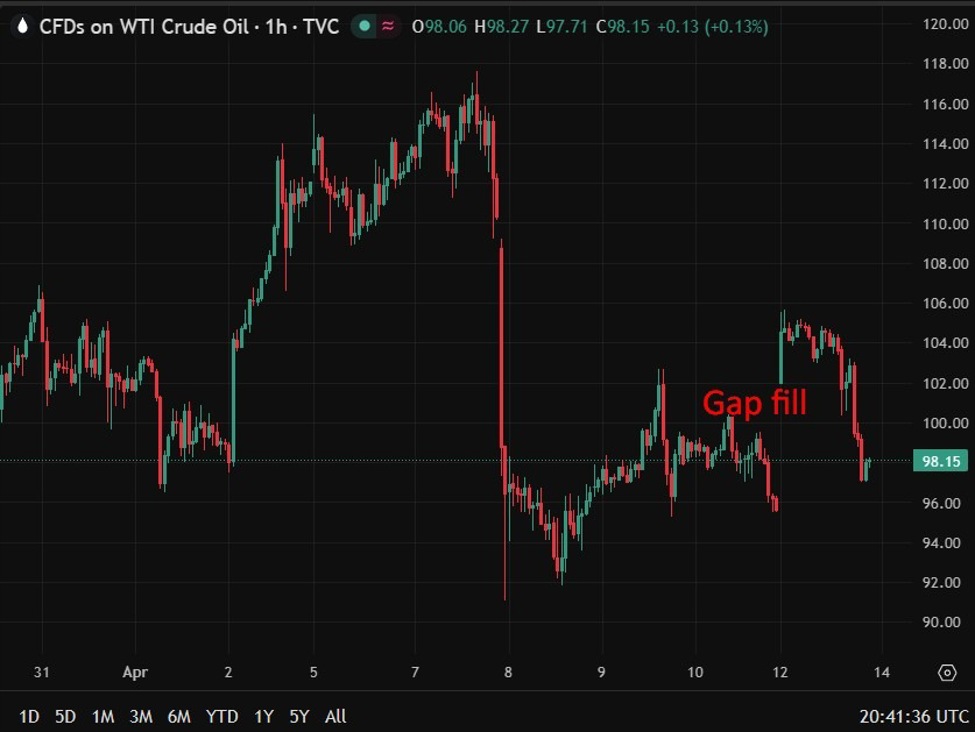
Birol characterised the current crisis as the worst global energy disruption on record, with more than 80 oil and gas facilities across the Middle East damaged, including production sites, refineries, and export terminals. Crude prices near $100 per barrel reflect persistent concerns around supply tightness and geopolitical risk.
However, the IEA chief stressed that reserve releases are not a cure for the disruption. Instead, they are a temporary stabilisation tool, designed to smooth extreme volatility and prevent sharper price spikes as physical supply remains constrained—particularly with the ongoing impact of disruptions around the Strait of Hormuz.
Compounding risks, the United States is enforcing a maritime blockade east of Hormuz, which the IEA is actively assessing for its impact on global oil flows.
Birol also pointed to the disproportionate impact on vulnerable economies and reiterated that the crisis underscores a critical lesson: energy security now hinges on diversification, across suppliers, fuels, and trade routes, as the world navigates an increasingly fragile supply environment.