
The outcome of Peru’s presidential election could significantly depend on the votes of small gold miners. These miners operate under the REINFO program, initiated in 2016 and intended to end in 2020, which allows them to work without full environmental or operational permits. The program has been extended as global gold prices increased and the informal mining sector grew, with around 500,000 miners producing about $11 billion in gold exports in 2025, amounting to half of the country’s total.
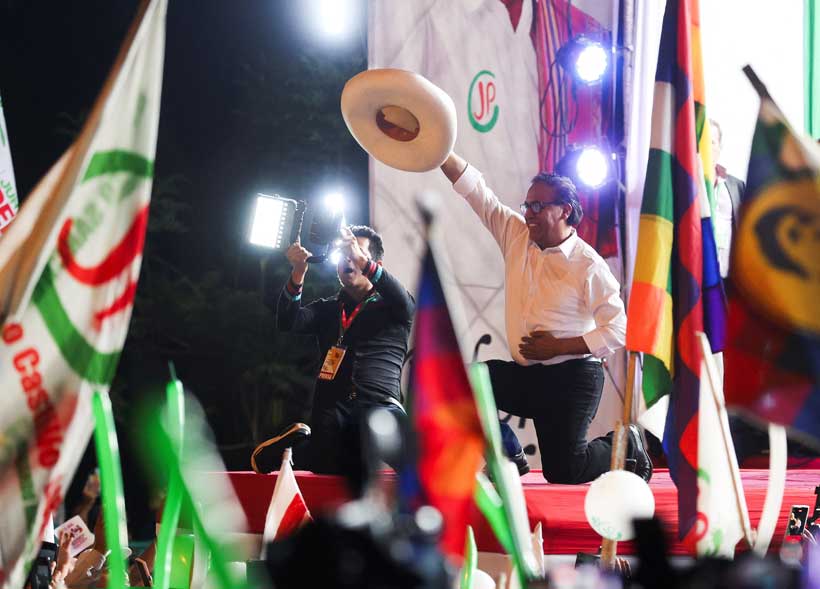
In the current election, conservative candidate Keiko Fujimori is facing off against leftist Roberto Sanchez. Both candidates are seeking support from small miners, who are a powerful voting bloc in rural areas. Polls indicate a close race, with Fujimori having a slight edge. In the previous election, she lost narrowly to Pedro Castillo, while Sanchez is gaining traction in areas where Castillo was popular.
REINFO is set to expire at the end of December, but neither candidate is eager to dismantle it, as it has become an essential part of Peru’s political landscape. Proponents argue that the program is vital for many impoverished rural communities, whereas critics suggest it enables illegal mining practices and harms the environment.
Analysis shows that small miners involved in REINFO are politically diverse, and the government struggles to eliminate illegal practices. Sanchez’s campaign is bolstered by rural support linked to informal mining, while Fujimori appeals to urban areas and larger mining companies, promising to target illegal activities and improve access to credit for small miners.
Sanchez, who previously voted to extend REINFO, has proposed redistributing unused mining concessions to small miners. He emphasizes the need for greater investment in mining regions, where infrastructure is often lacking despite mining contributing nearly 12% to Peru’s GDP. Magna Ismael Palomino from CONFEMIN, a major artisanal mining group, supports Sanchez’s plans and calls for an extension of REINFO.
Palomino argues that large mining interests dominate political discussions, undermining small artisanal miners. More than half of Peru’s mining concessions are controlled by larger companies, with little of the land actively mined or explored.
Despite strong support, political financing in Peru remains murky. Although small miners claim to self-finance their mobilizations, there are indications of indirect support for candidates through resources and logistics. The influence of informal mining on politics is causing concern among larger mining companies.
Peru has significant mining projects valued at $63 billion in development, but conflicts with informal miners have stalled progress on some of these initiatives. Experts suggest that the financial clout of informal mining can lead to illegal practices that affect legislation.
A recent review showed that many permits issued under REINFO remain active despite a purge of non-compliant holders in 2025. Some individuals and companies continue to operate under multiple permits, showcasing weaknesses in the regulatory framework, as the system is adapted rather than dismantled.
With information from Reuters