
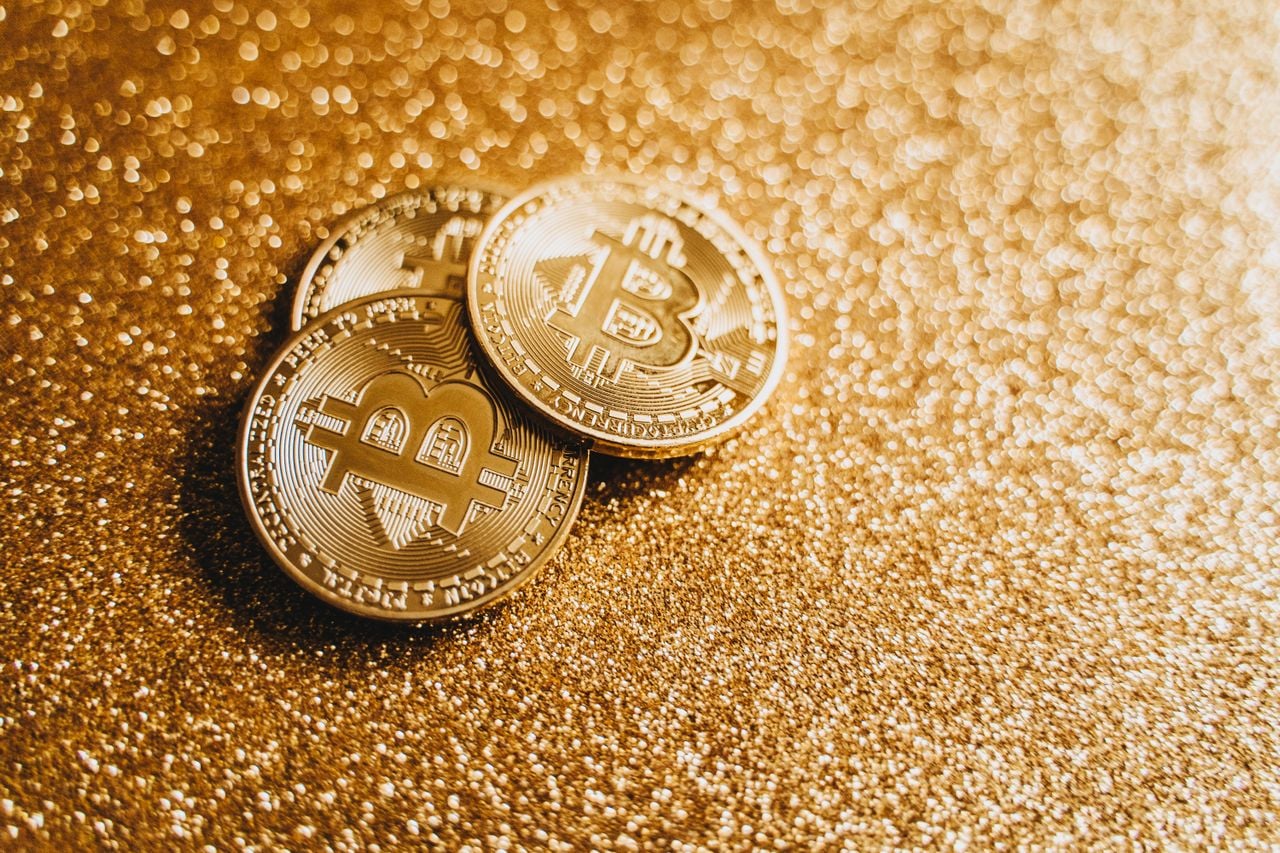
As digital assets continue to merge with traditional finance, investors are increasingly exploring ways to convert crypto into real-world stores of value. One of the most popular options is gold.
In 2026, purchasing precious metals with crypto is no longer unusual. It’s part of a growing financial bridge between blockchain assets and tangible wealth. Understanding the process of off ramping crypto is essential for anyone looking to move from digital currencies into physical commodities like gold.
What Does It Mean to Buy Gold with Crypto?
Buying gold with cryptocurrency generally falls into two distinct categories, each with a different process and risk profile.
Physical Gold
Here, Bitcoin or other digital assets are used to pay for tangible bullion or coins from a dealer or online platform. Most dealers don’t hold crypto themselves — they route the payment through a processor (e.g., BitPay, Coinbase Commerce) that converts it to fiat before settlement.
A smaller number of platforms accept crypto directly and calculate the gold price at the moment of transaction. Either way, the buyer ends up owning physical metal, which is then shipped, stored in a vault, or picked up in person.
Gold-Backed Tokens
Instead of buying metal outright, the buyer purchases a token — such as PAXG or Tether Gold — that represents ownership of a specific amount of gold held in reserve by the issuer.
The transaction stays entirely on-chain: crypto is swapped for the token on an exchange or DEX, with no conversion to fiat and no physical delivery involved unless the holder later redeems the token for real bullion (where that option exists).
This route is faster and more liquid, but it introduces counterparty and custodial risk tied to the issuer, rather than direct possession of the asset.
How the Crypto-to-Gold Process Works
To understand how to buy gold with crypto, it’s important to break the process into steps that connect blockchain assets with traditional commodity markets. The following guide includes practical steps to buying physical gold.
Step 1: Preparing Your Crypto Assets
Before making a purchase, users must ensure they have sufficient funds in a secure wallet or exchange account. This is where off ramping crypto becomes important. Off-ramping refers to converting cryptocurrency into fiat currency or real-world assets through regulated platforms or financial intermediaries.
Without proper off ramping crypto, it would be difficult to interact with traditional gold dealers who still operate within fiat-based systems.
Step 2: Choosing a Gold Dealer That Accepts Crypto
Not all bullion dealers accept digital assets directly. However, in 2026, more platforms are enabling crypto payments, especially for high-value transactions. Investors should look for reputable dealers, online marketplaces, or escrow-based services that support digital currencies.
Understanding how to buy gold with bitcoin often depends on finding a seller that either accepts BTC directly or works with payment processors that instantly convert crypto into fiat.
Step 3: Payment Execution
Once a dealer is selected, payment can be executed in several ways:
- Direct Bitcoin transfer to the seller’s wallet;
- Crypto payment processors converting assets instantly;
- Escrow services ensuring both parties fulfill obligations;
- Hybrid systems supporting partial fiat conversion.
Each method has different levels of speed, security, and regulatory oversight. Also some platforms set a minimum and maximum purchase amount when paying with Bitcoin.
Safety and Risk Considerations
When exploring how to buy gold with bitcoin safely and easily, investors must consider both crypto-related and commodity-related risks.
Price Volatility
Cryptocurrency prices can fluctuate significantly within short periods. To reduce risk, some platforms lock exchange rates at the time of purchase.
Counterparty Risk
Gold purchases often involve third-party dealers or escrow services. Choosing reputable providers is essential to avoid fraud or delivery issues. Bear in mind that some platforms can only handle crypto through third-party processors, which can reduce privacy and increase fees.
Regulatory Compliance
Depending on jurisdiction — not all jurisdictions legalize crypto as a means of payment, which will make such a purchase impossible — both crypto transactions and gold purchases may require identity verification and tax reporting.Also note that cross-border transportation of precious metals may be subject to customs inspection, so you need to pay customs duties (import tax), follow the rules of transportation. This adds an additional layer to how to buy gold with bitcoin in 2026, especially for larger transactions.
Benefits of Using Crypto to Buy Gold
There are several advantages to using digital assets for gold purchases:
- Fast cross-border transactions;
- Reduced dependency on traditional banking systems;
- Ability to diversify from crypto into physical assets;
- Increased financial flexibility for global investors;
- Streamlined settlement through blockchain-based payments.
These advantages explain why more investors are exploring how to buy gold with crypto as part of broader portfolio strategies.
Role of Off-Ramping in Gold Purchases
A key component of the entire process is off ramping crypto, which acts as the bridge between digital assets and real-world commodities. Off-ramping enables users to convert crypto into usable purchasing power in traditional markets.
Modern off-ramping solutions include centralized exchanges, fintech platforms, and payment gateways that support instant conversion. Without this infrastructure, buying gold with digital currencies would remain fragmented and inefficient.
Practical Example: Buying Gold with Bitcoin
To understand how to buy gold with bitcoin in 2026, consider a simple example:
- An investor holds Bitcoin in a secure wallet.
- They select a gold dealer that accepts crypto payments.
- The dealer locks in the price of gold at the current market rate.
- The investor transfers BTC equivalent to the purchase amount.
- The dealer ships the gold or stores it in a secure vault.
This process demonstrates how digital assets can seamlessly interact with traditional commodity markets.
Challenges in Crypto-to-Gold Conversion
Despite its advantages, the process still has challenges:
- Limited number of crypto-friendly gold dealers;
- Possibly higher fees;
- Purchase limits;
- Regulatory uncertainty in certain regions;
- Exchange rate volatility during transactions;
- Dependence on reliable off-ramping infrastructure.
These challenges highlight the importance of secure and compliant systems for how to buy gold with crypto in modern financial environments.