
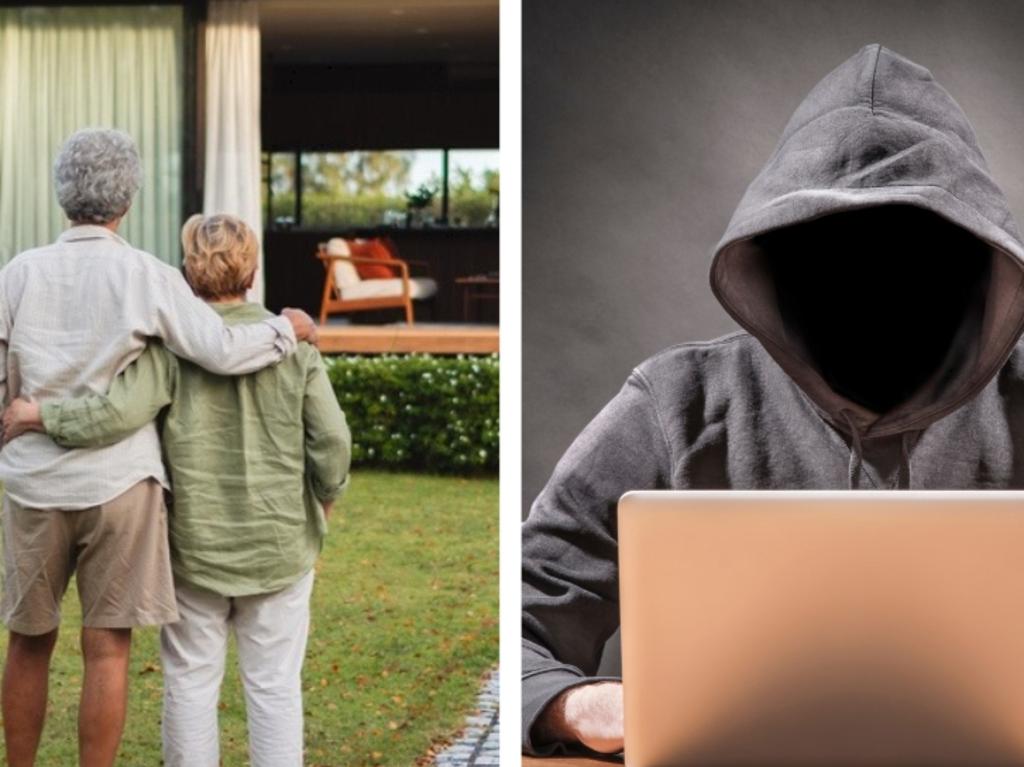

The Great Australian Dream of owning a home is under attack from AI-enhanced cyber criminals.
A shocking 42 per cent of Australians aren’t spotting property scam warning signs as AI-enhanced cybercriminals target the Great Australian Dream nationwide.
New research from digital settlements platform, PEXA, has revealed while last year 51 per cent of the Aussies believed they could identify a fraudulent attempt to cut into their property transaction — the share is now down to 41 per cent.
The analysis has found that for nine in 10 Australians, buying a home is now considered one of life’s most stressful events — on a par with getting divorced.
RELATED: Shock $6bn investor development post Albo tax attack
Block finale in jeopardy over auction law change
Aus family loses $500,000+ while buying home as scammers hack conveyancer’s email
Victorians and Tasmanians are the least confident they could spot a criminal trying to intrude on their home transaction, with barely a third of people in the two southern states now confident they could spot a scam. They were followed by 36 per cent of those in NSW and the Australian Capital Territory.
Alarmingly, when presented with a mock scam email requesting the payment of a deposit, 38 per cent of buyers indicated they would transfer funds after receiving it — against 41 per cent who said the email looked like a scam and would not have paid.
Just 7 people of the more than 1000 recent and prospective homebuyers surveyed noticed the email had a Greek symbol for alpha replacing the letter ‘a’ in the email address — which could have seen their funds stolen had they acted on it.

A simulated scam email had a key detail missed by all but 7 people, despite respondents being warned it was a scam.
The list of property scammer attacks on Aussies’ radars include phishing emails, sale and rental listing scams, dodgy property investment attacks, AI voice cloning, settlement scams and credential stuffing — where a scammer steals the credentials of a trusted person to pretend to be them.
Warning signs included unexpected email addresses, poorly written correspondence and urgent demands for payment.
Out of the list, AI voice cloning was one of the biggest alarm bells — with 61 per cent of Australians aware of it, and 85 per cent of those planning to buy a home in the next year concerned about the impact the digital threat could have on their plans.
The survey found 87 per cent of Australians found buying a home stressful, slightly above the 86 per cent who were anxious about a divorce, and well up from the 77 per cent worried about starting a family.
PEXA chief information security officer Graham Fairley said with latest Australian Competition and Consumer Commission data showing a 9.3 per cent increase in payment redirection scams from 2024 to 2025, not only were the scammers getting smarter — their volume of attacks was growing too.
PEXA Group chief information security officer Graham Fairley has warned cyberattacks on the Great Australian Dream are rising.
“It’s definitely rising,” Mr Fairley said.
“The size of the sums involved are large … that’s why it is a target and continues to be a target.”
He added that there were multiple scams being spotted by conveyancers every month, prompting some to start establishing code words to confirm it was them and not scammers contacting their clients as they grappled with ways to allay fears over AI voice cloning.
While the sophistication of email scammers and AI technology were concerning, Mr Fairley said homebuyers could stay ahead of it by transferring bank details through protected portals such as the Pexakey or doing so face-to-face.
“If things don’t line up … that’s the time to stop and pick up the phone and confirm.”
As concerns rise he said it was possible there would be more real estate agents and conveyancers willing to take calls and even meet face-to-face after hours to accommodate buyers busy from 9am-5pm.
Mr Fairley added that while it was best to avoid a problem in the first place, anyone who feared they had fallen victim to scammers needed to take quick action.
Many Australians now regard buying a home as more stressful than a divorce.
Real Estate Institute of Australia president Jacob Caine said real estate agents were aware of the threats and in many instances were providing in-person opportunities to share account details and other sensitive information.
“Whilst the increasing sophistication of scammers, and the AI that supports them, still poses a threat, having a “known person” from the agency is the best safeguard against losing potentially hundreds of thousands of dollars to criminals,” Mr Caine said.
“For anyone, with even the faintest hesitancy about a communication with directions on where to transfer money, I’d say: pick up the phone.
“Call your agent. Call the office. Get a person on the phone that you know works in the business, and double-check the information you’ve received.”
The real estate professional said there were still secure ways to buy your slice of the Great Australian Dream and that the biggest barrier for most remained affordability — and that government’s needed to find meaningful ways to deliver more homes in order to safeguard it not just from scammers but from rising prices.
PEXA have established a security hub online that homebuyers can review to help give them confidence before what will likely be the biggest transaction of their lives.
Sign up to the Herald Sun Weekly Real Estate Update. Click here to get the latest Victorian property market news delivered direct to your inbox.
MORE: Beverly Hillbillies come to Vic for zany property play
Agent crashes through ceiling as Iron Man in wild Melbourne video